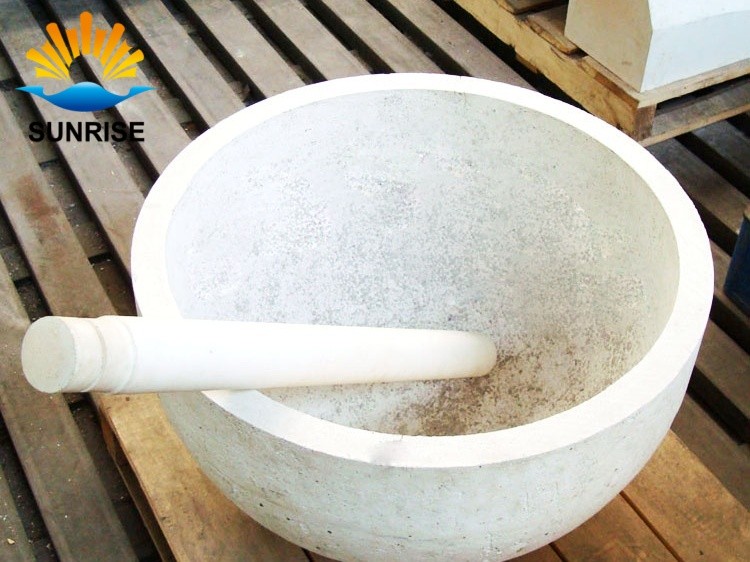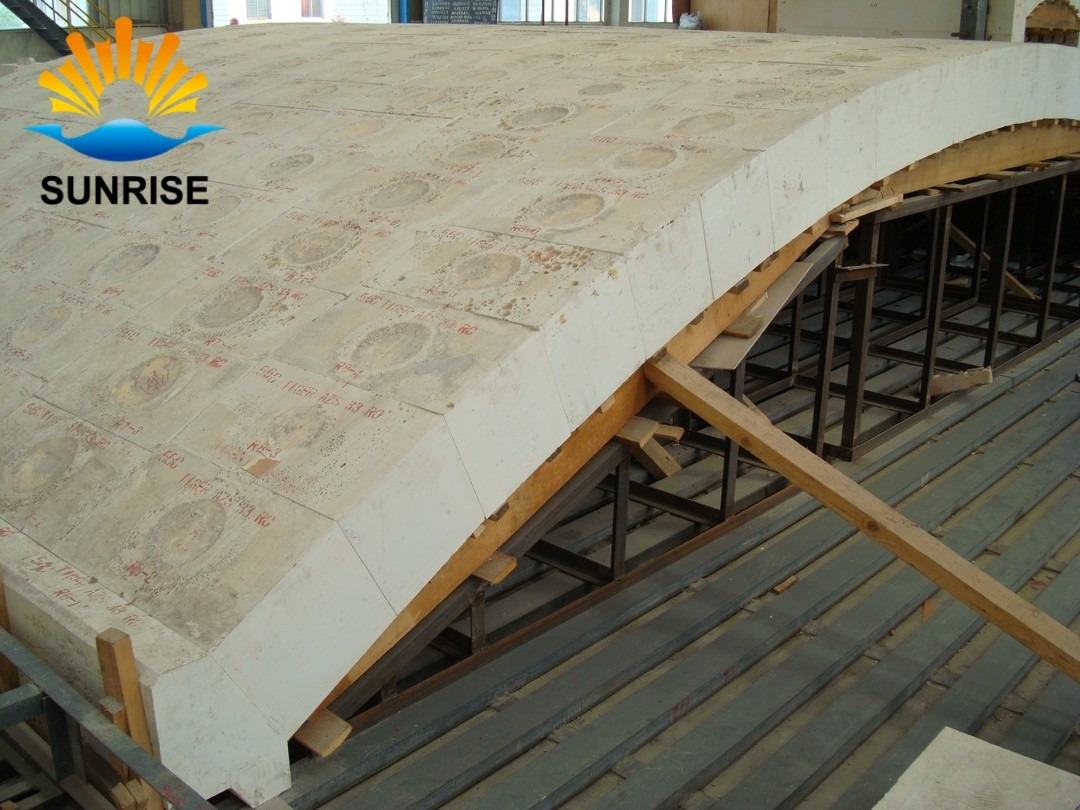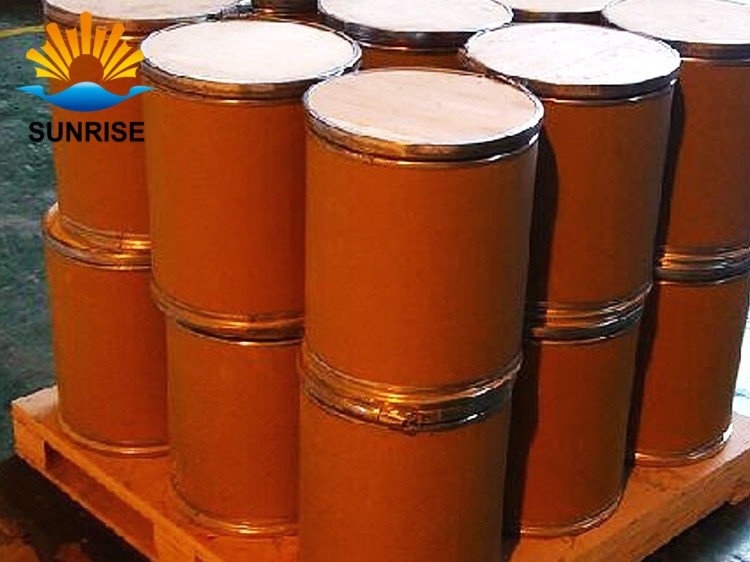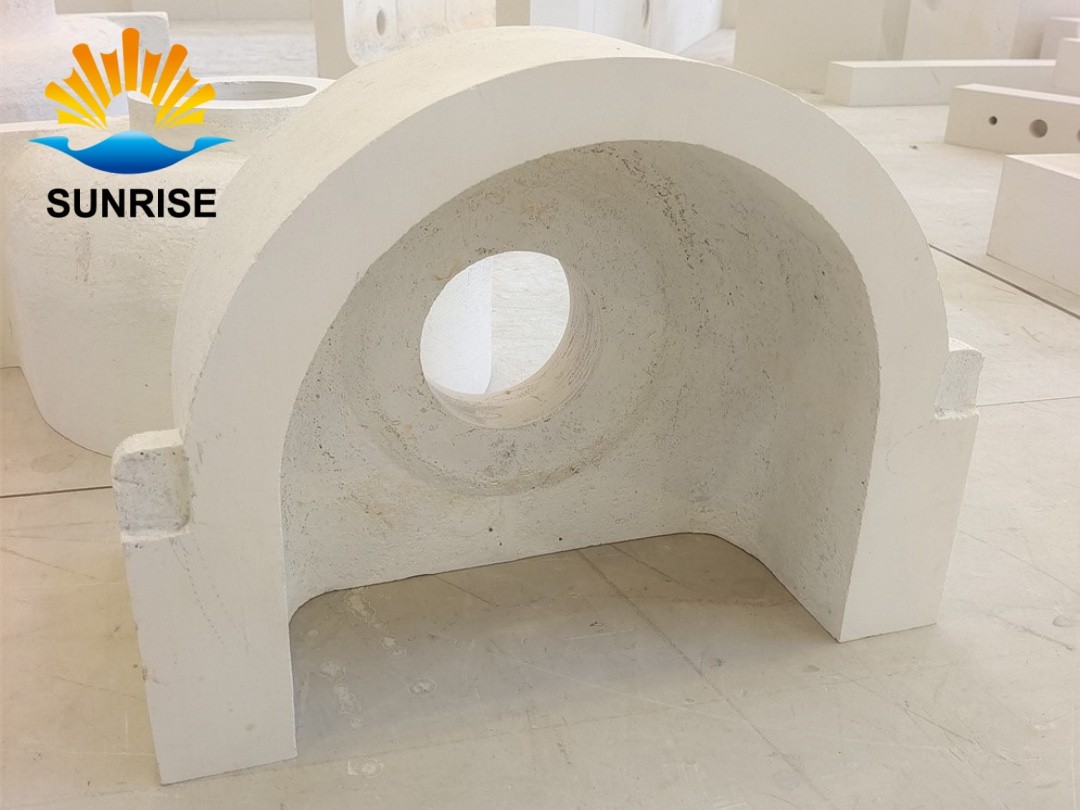

Fused Cast AZS Block

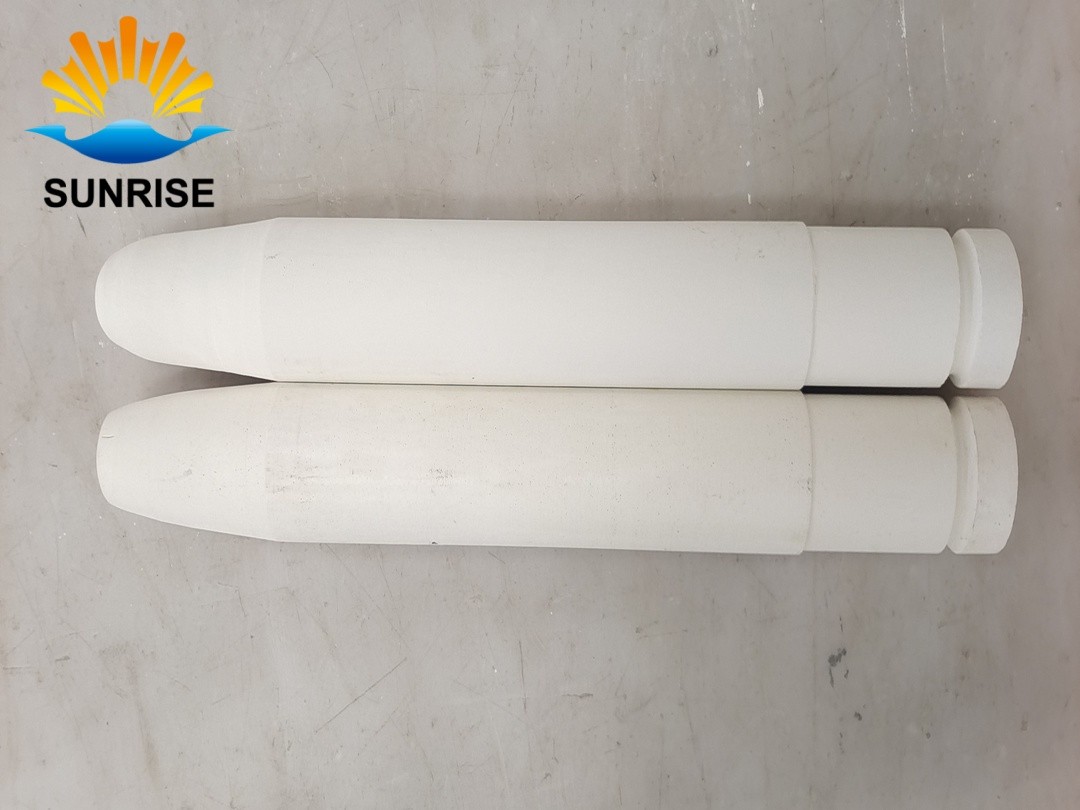
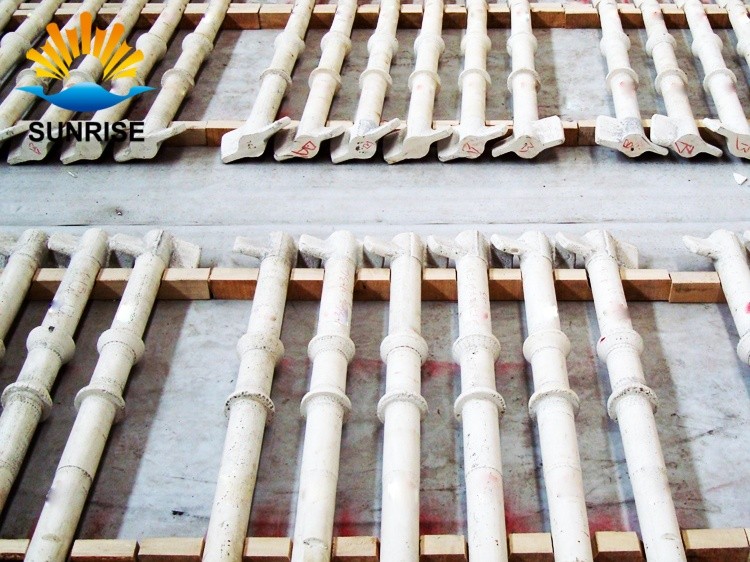
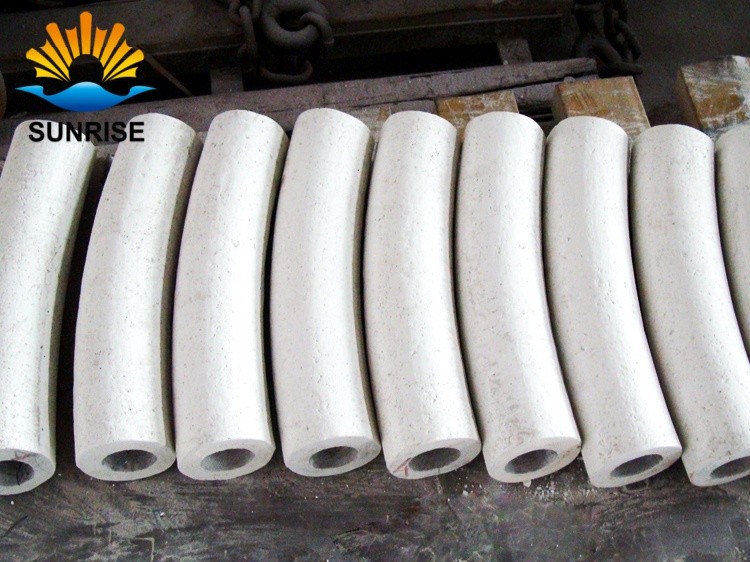
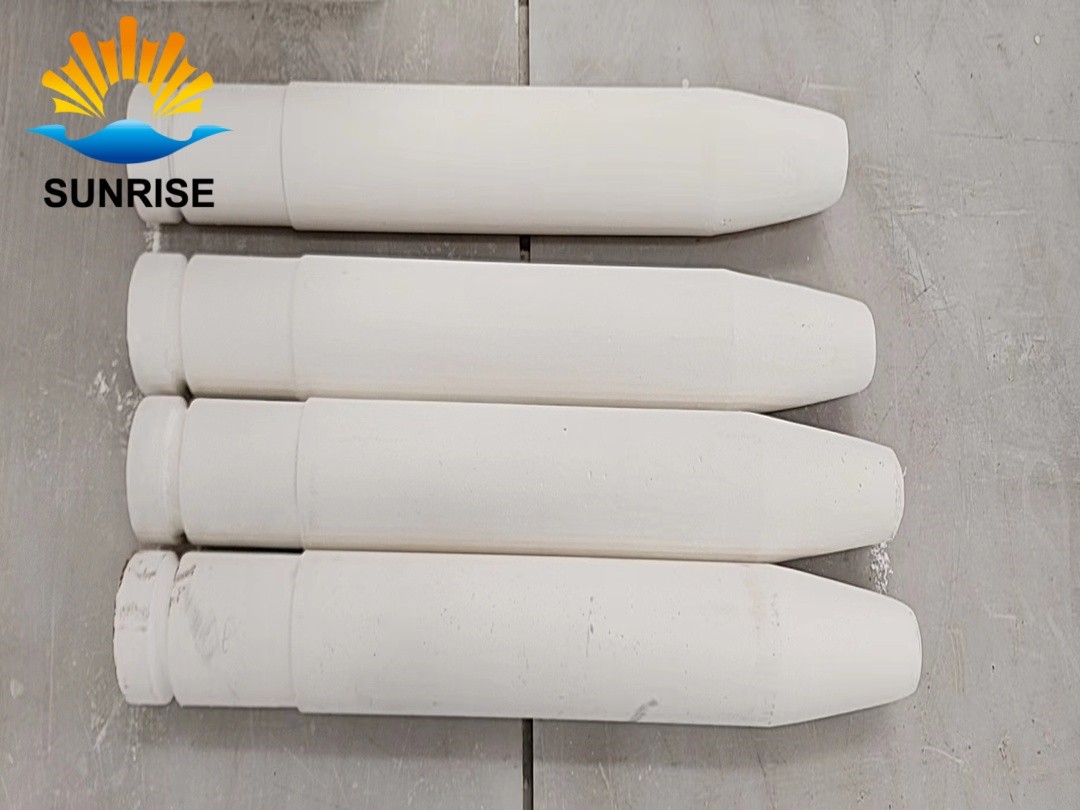
AZS Stirrer Rod Stopper Rod Blocks
Al2O3:50%
ZrO2 :32.5%
SiO2 :15.5%
Na2O:1.4%
Cold Crushing Strength: 300MPa
Exudation Temperature of Glass Phase: 1400 ℃
Static Corrosion Rate to Glass Liquid (Soda lime glass 1500℃×36h) :1.45mm/24h
PRODUCT DESCRIPTION
Fused Cast AZS Stirrer Rod and Stopper Rod
Description
AZS stirrer rod and stopper rod are critical, high-precision expendable refractory components used in the forehearth and feeder channels of glass furnaces. AZS Stirrer Rods are elongated, solid or semi-hollow shafts fitted with blades or paddles, designed to mechanically agitate and blend the molten glass. Stopper Rods act as precise high-temperature flow-control valves. By moving vertically above the orifice ring, they regulate or completely shut off the gravity-fed stream of molten glass into the gob-forming mechanism.
Advantages
l Exceptional Erosion & Corrosion Resistance: Due to the high zirconia content, these blocks resist the heavy scouring action of fast-flowing molten glass much better than sintered alternatives.
l Minimal Glass Contamination: Their ultra-dense crystalline matrix significantly suppresses the exudation of glassy phases. This prevents the formation of stones, knots, streaks, and cords in the final glass product.
l High Mechanical & Torsional Strength: Stirrer rods must withstand heavy torque while mixing highly viscous glass, and stoppers must endure constant vertical cycling. AZS delivers the structural rigidity needed to prevent breaking or warping at temperatures up to 1500°C.
l Precise Flow Control & Geometry Preservation: Because AZS wears down incredibly slowly, stopper blocks maintain their exact tip geometry over long periods, ensuring stable gob weights and consistent production rates.
l Excellent Thermal Shock Stability: They are chemically and physically optimized to withstand thermal shocks during installation, color changes, or furnace temperature adjustments.
Applications
l Container Glass Feeder Channels: Widely utilized in high-volume production lines for beverage bottles, food jars, and cosmetic packaging where precise gob weight control is mandatory.
l Tableware & Crystal Glass Manufacturing: Implemented in forehearths for high-end glassware, plates, and bowls to eliminate any visual defects or discoloration.
l Pharmaceutical & Borosilicate Glass: Crucial for manufacturing neutral glass tubes, ampoules, and laboratory equipment where the glass melt is highly aggressive and demands zero chemical contamination.
l Fiberglass & Electronic Glass Production: Used in specialized texturing and feeding systems that handle highly corrosive or sensitive glass formulations.
TECHNIQUE DATA
| tem | SR‑AZS33 | |
| Chemical Composition % | Al₂O₃ | ≥50.00 |
| ZrO₂ | ≥32.50 | |
| SiO₂ | ≤15.50 | |
| Na₂O | ≤1.40 | |
| True density g/cm³ | ≥3.84 | |
| Apparent Porosity % | ≤1.2 | |
| Cold Crushing Strength Mpa | ≥300 | |
| Exudation Temperature of Glass Phase ℃ | ≥1400 | |
| Bubble Separation Ratio(1300℃×10h) | ≤1.2 | |
| Static Corrosion Rate to Glass Liquid (Soda lime glass 1500℃×36h) mm/24h | ≤1.45 | |
| Bulk Density (g/cm3) | WS ( RT VF EPIC FVP DCL) | ≥3.75 |
Online Message
* Note: Please be sure to fill in the information accurately and keep the communication open. We will contact you as soon as possible