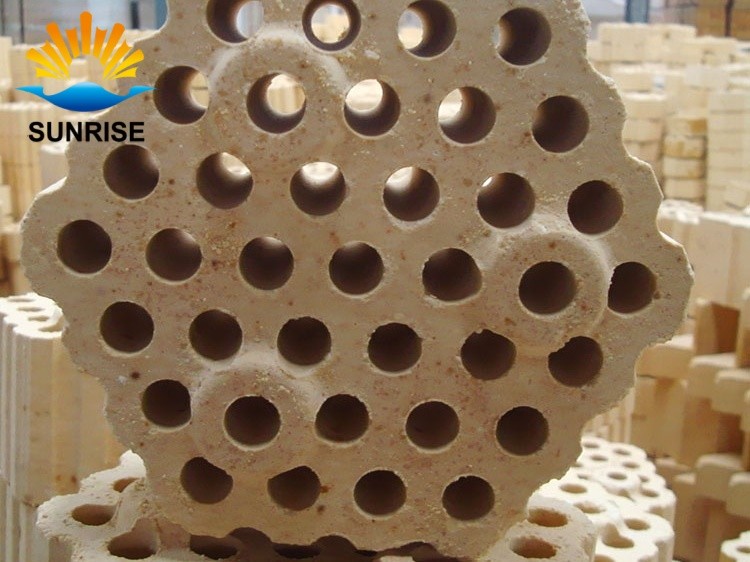

Refractories For Hot Blas Stove

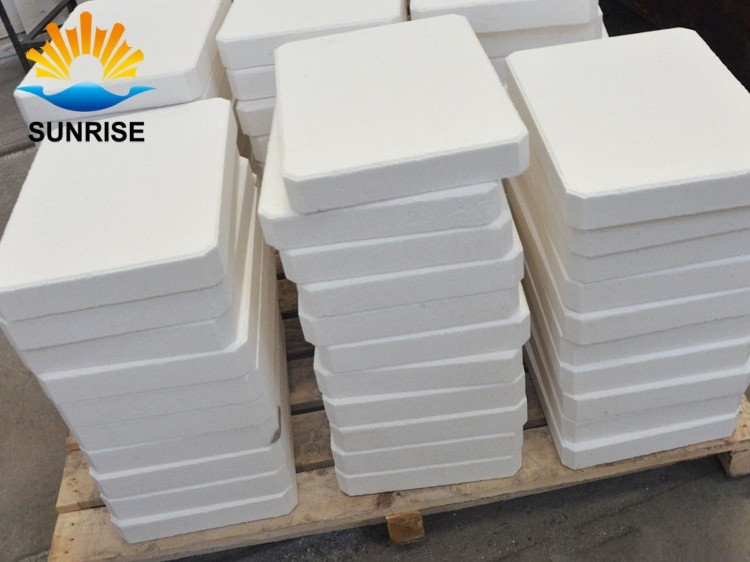
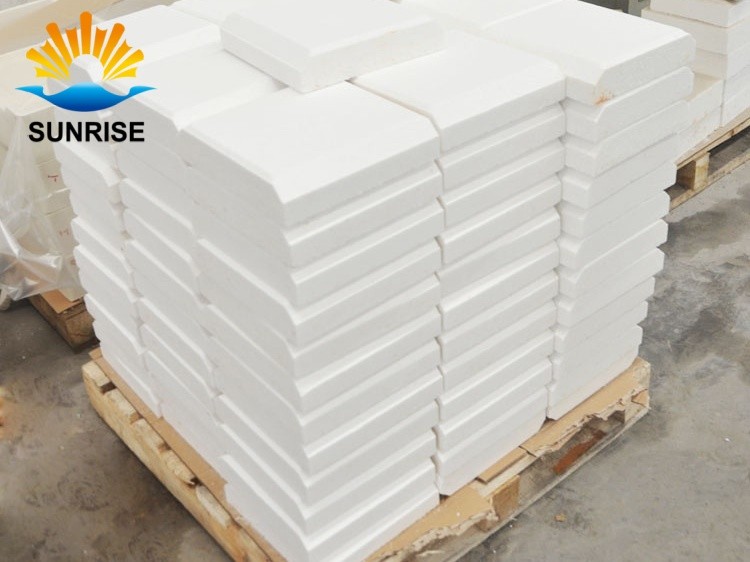
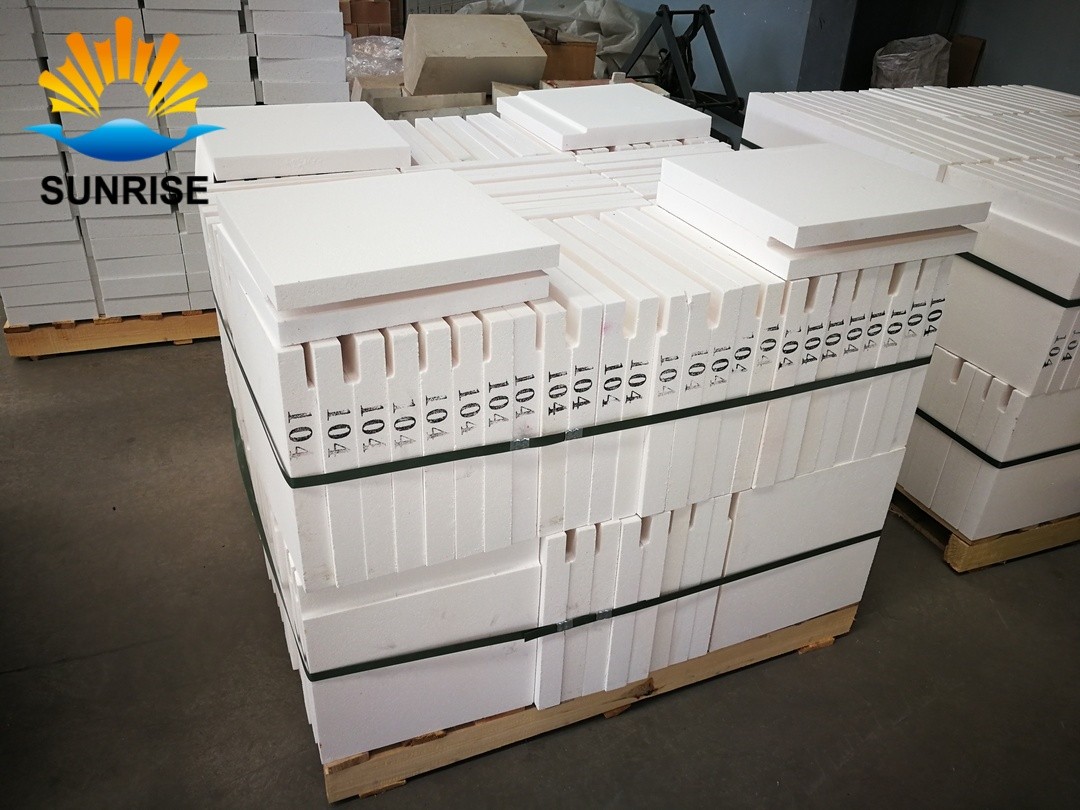
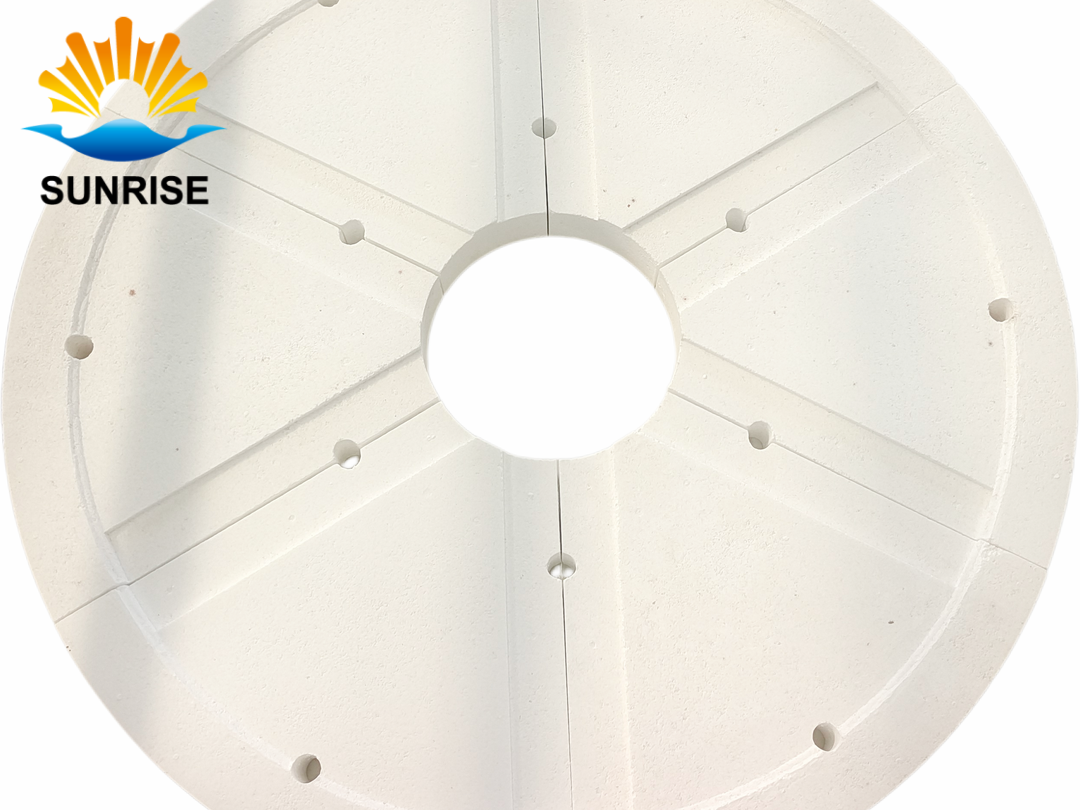
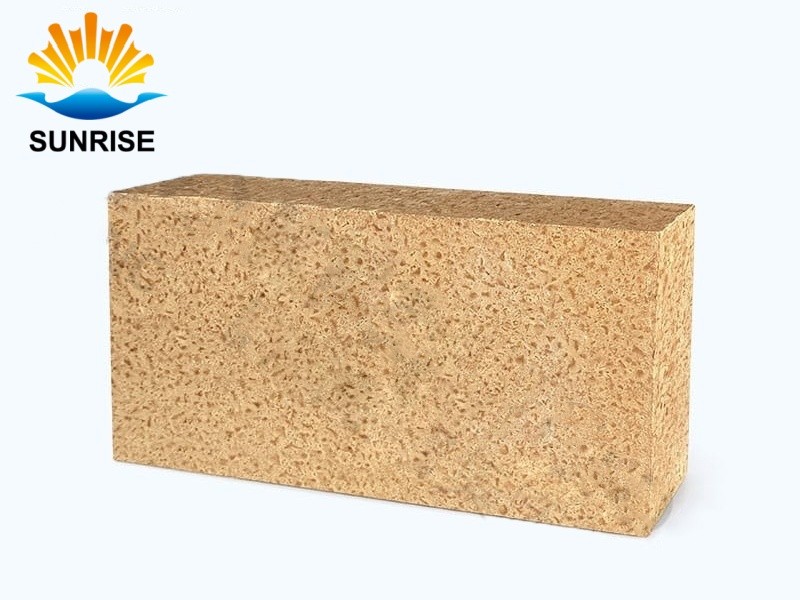
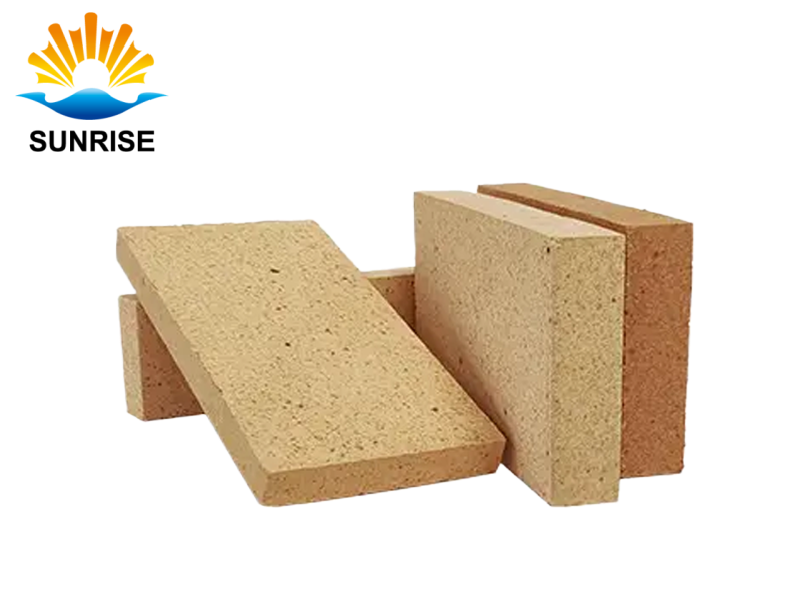
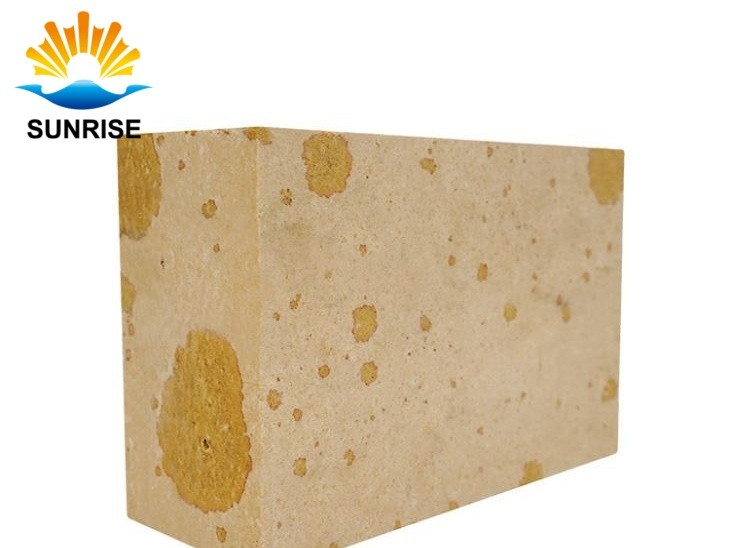
Series of corundum mullite brick
Al₂O₃ : 80
Bulk density : 2.85g/cm³
Apparent porosity : 18 %
Cold crushing strength : 100 MPa
PRODUCT DESCRIPTION
Introduction
Corundum mullite brick is compounded with corundum and mullite as the main mineral phases.
It is produced by taking high-purity alumina raw materials and bauxite clinker as main materials, through proportioning, mould pressing and high-temperature sintering. Its alumina content is generally between 65% and 90%.
Combining the merits of corundum and mullite, it overcomes the poor thermal shock resistance of pure corundum bricks and the insufficient high-temperature strength of ordinary mullite bricks, belonging to a premium refractory material widely used in medium and ultra-high temperature industrial furnaces.
Features
High temperature performance stable: High refractoriness and load softening temperature, low high-temperature creep, stable structure under long-term high-temperature load.
Excellent thermal shock resistance: Resists frequent cold and hot alternation, not easy to crack or peel under temperature fluctuation.
Strong corrosion and abrasion resistance: Dense structure resists flue gas scouring, dust abrasion and weak acid & alkali slag erosion.
Good stability and compatibility: Superior high-temperature volume stability, neutral property adapts to most furnace working atmospheres.
Application
Iron & Steel industry: Middle and lower sections of hot blast stoves, heating furnaces, tundish and refining furnace linings.
Non-ferrous metallurgy: Lining for aluminum, copper and zinc smelting furnaces and holding furnaces.
Building materials industry: High-temperature zones of glass furnaces, ceramic tunnel kilns and roller kilns.
General thermal equipment: Industrial boilers, incinerators and petrochemical high-temperature furnaces.
TECHNIQUE DATA
| Index | Corundum-mullite bricks (GM-80) | ||
| Standard | Typical | ||
| Al2O3, % | ≥ | 80 | 83.75 |
| SiC, % | — | — | — |
| Fe2O3, % | ≤ | 0.8 | 0.53 |
| Apparent porosity ,% | ≤ | 18 | 15.8 |
| Bulk density ,g/cm3 | ≥ | 2.85 | 3.02 |
| Cold crushing strength ,MPa | ≥ | 100 | 125 |
| 0.2MPa refractoriness under load0.2MPa ℃ | ≥ | 1700 | 1720 |
| Linear change after reheating (1500∘C×2h), % | — | 0~+0.5 | +0.1 |
| Refractoriness ,℃ | ≥ | 1790 | >1790 |
| MOR ,MPa | ≥ | 12 | 16.3 |
| Thermal expansion coefficient (1000∘C), % | — | 0~+0.7 | 0.65 |
| Thermal conductivity (940∘C), W/m·k | ≤ | 2.8 | 2.2 |
| Thermal shock resistance (1100∘C water cooling, times) | ≥ | 20 | >30 |
Online Message
* Note: Please be sure to fill in the information accurately and keep the communication open. We will contact you as soon as possible