
Refractories For Blast Furnace

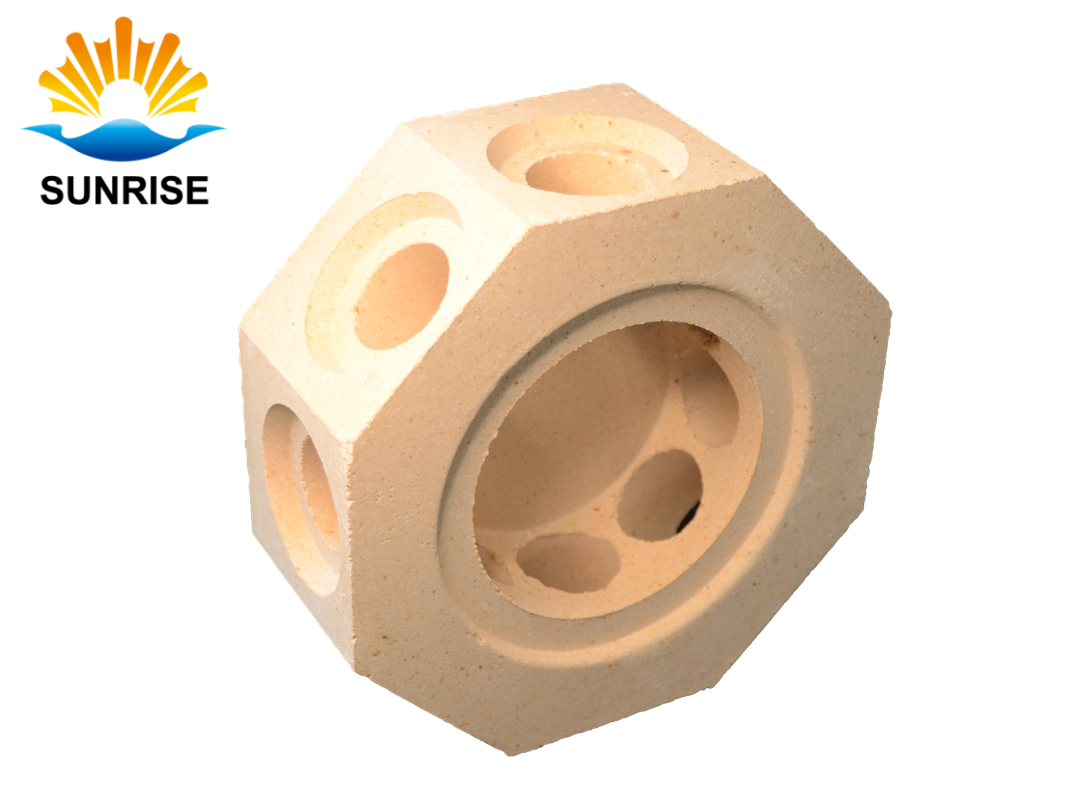
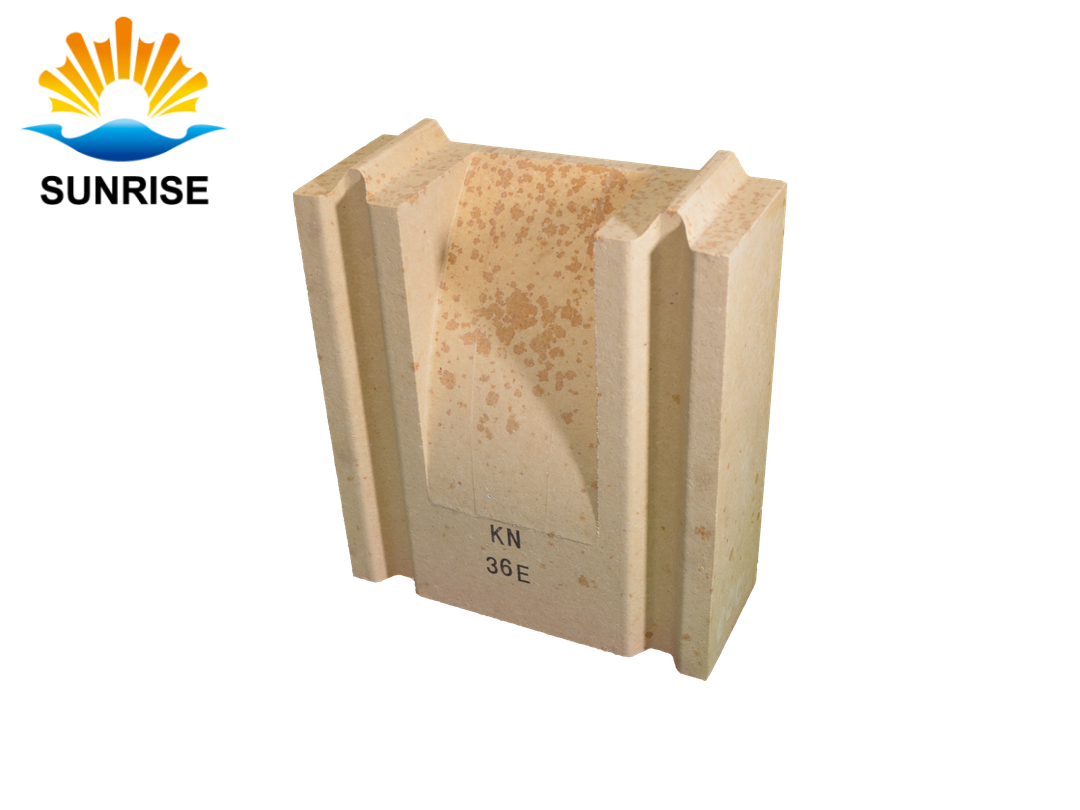
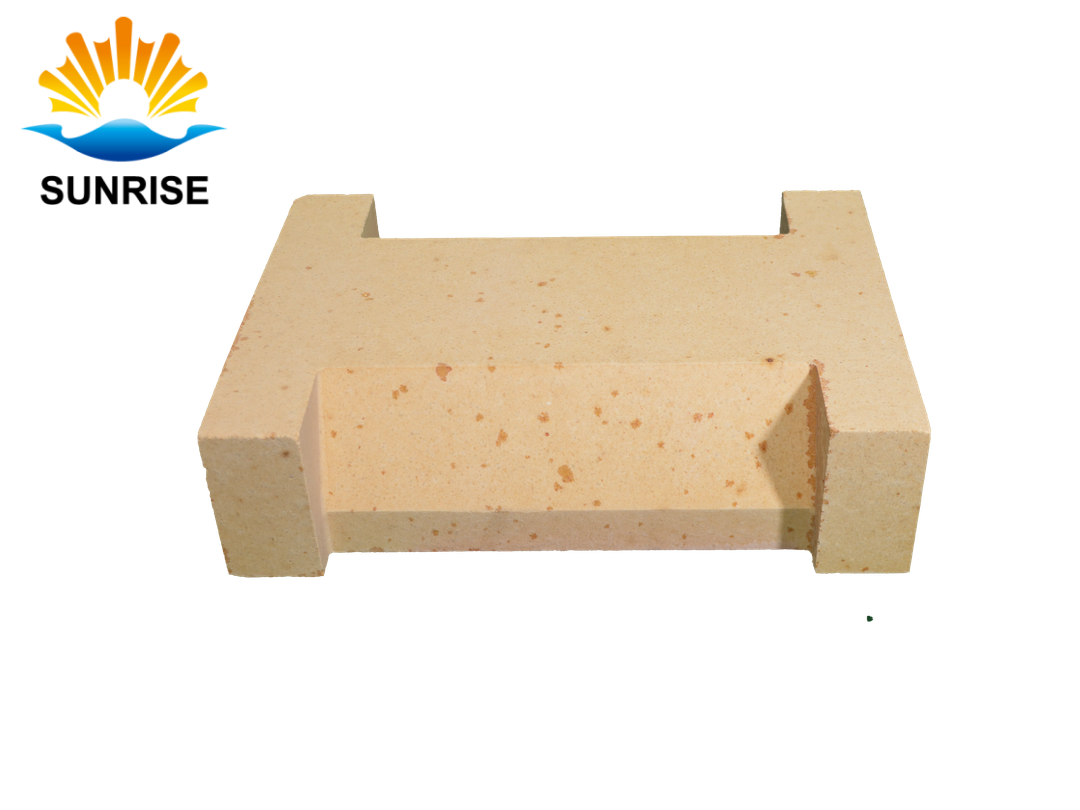
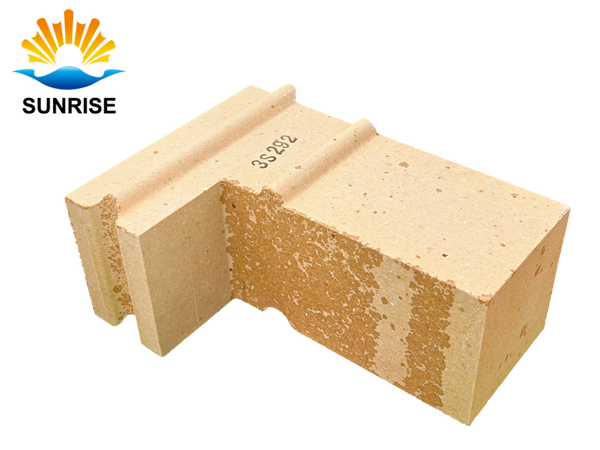
Running bricks
Al2O3 : 40~85%
Bulk density : 2.15~2.7g/cm³
Cold crushing strength : 30~70 MPa
PRODUCT DESCRIPTION
Introduction
Running brick is a shaped refractory hollow product of alumina-silica series. It is manufactured with clay, high-alumina bauxite and corundum as main raw materials through burdening, high-pressure moulding and high-temperature sintering.
Classified by material: clay-based, ordinary high-alumina and corundum-mullite types.
Features
Superior High-temperature and Load-bearing Stability: It features high refractoriness and low tendency to soften and collapse at high temperatures with a high starting temperature of refractoriness under load at 0.2 MPa. It can withstand thermal radiation and static pressure of molten steel at 1500~1700℃ for long-term service without deformation or channel blockage inside runners.
Strong Resistance to Molten Steel Erosion and Scouring: The densely sintered brick body resists mechanical scouring and chemical corrosion from high-speed flowing molten steel. Its smooth inner bore avoids steel adhesion, nodulation and slag buildup, reducing inclusion defects in steel and improving the purity of ingots.
Excellent Thermal Shock Resistance : The matched thermal expansion coefficient of the Al₂O₃-SiO₂ mineral system effectively relieves thermal stress. The brick resists cracking, edge chipping and bore perforation under repeated rapid heating and cooling during intermittent casting, eliminating risks of molten steel leakage during pouring.
Tight Assembly to Prevent Liquid Penetration : Strict dimensional tolerance ensures tiny gaps between assembled bricks. The integrated runner lining achieves reliable sealing to stop molten steel seepage from joints and guarantee safe pouring operation.
Application
It is applied in conventional ingot casting steelmaking to guide molten steel. Laid inside the runner channels of ingot casting bottom plates, these bricks connect ladles, central pouring pipes and ingot moulds to form sealed molten steel conveying pipelines.
They deliver steady flow of liquid steel from ladles into ingot moulds and prevent steel leakage, slag entrapment and turbulent flow of molten steel, serving as core refractory consumables for traditional ingot casting lines.
TECHNIQUE DATA
| Inspection Item | Clay-based | High-Alumina | Corundum-Mullite |
| Al₂O₃ Content, % ≥ | 40 | 65 | 85 |
| Fe₂O₃, % ≤ | 1.2 | 0.8 | 0.5 |
| Refractoriness, ℃ ≥ | 1710 | 1750 | 1780 |
| 0.2MPa Refractoriness Under Load, ℃ ≥ | 1350 | 1480 | 1530 |
| Apparent Porosity, % ≤ | 26~28 | 22~25 | 18~22 |
| Bulk Density, g/cm³ ≥ | 2.15 | 2.40 | 2.70 |
| Cold Crushing Strength, MPa ≥ | 30 | 45 | 70 |
| Permanent Linear Change (1400℃×2h), % | -0.3 ~ +0.1 | -0.2 ~ +0.2 | -0.1 ~ +0.3 |
| Thermal Shock Resistance (1100℃ water cooling, times) ≥ | 15 | 20 | 25 |
Online Message
* Note: Please be sure to fill in the information accurately and keep the communication open. We will contact you as soon as possible