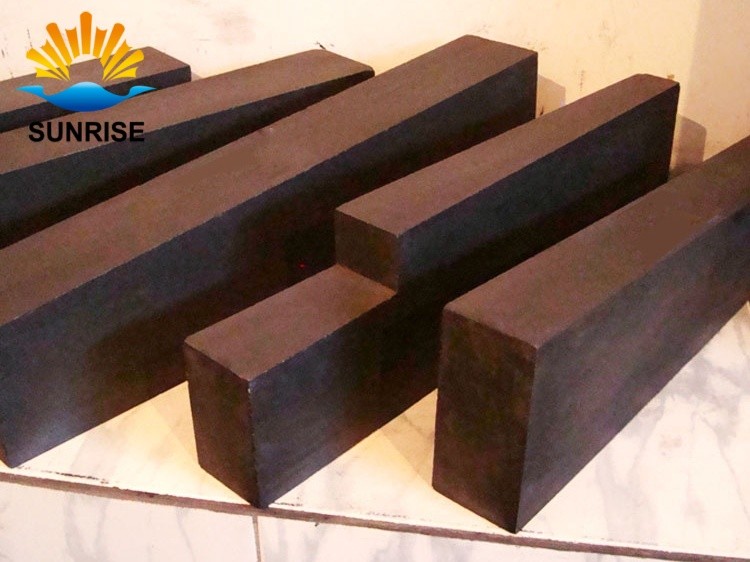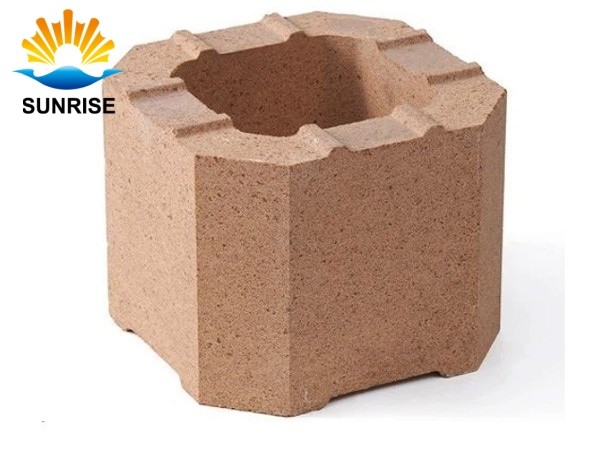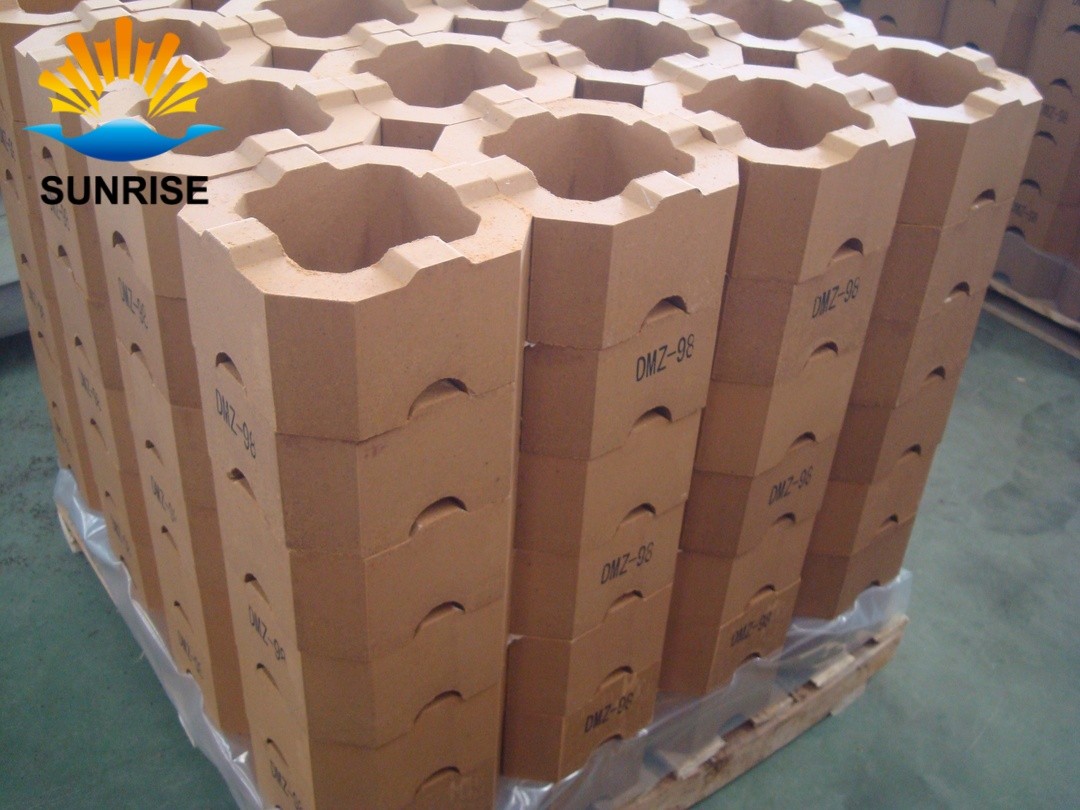

Magnesia Series Brick

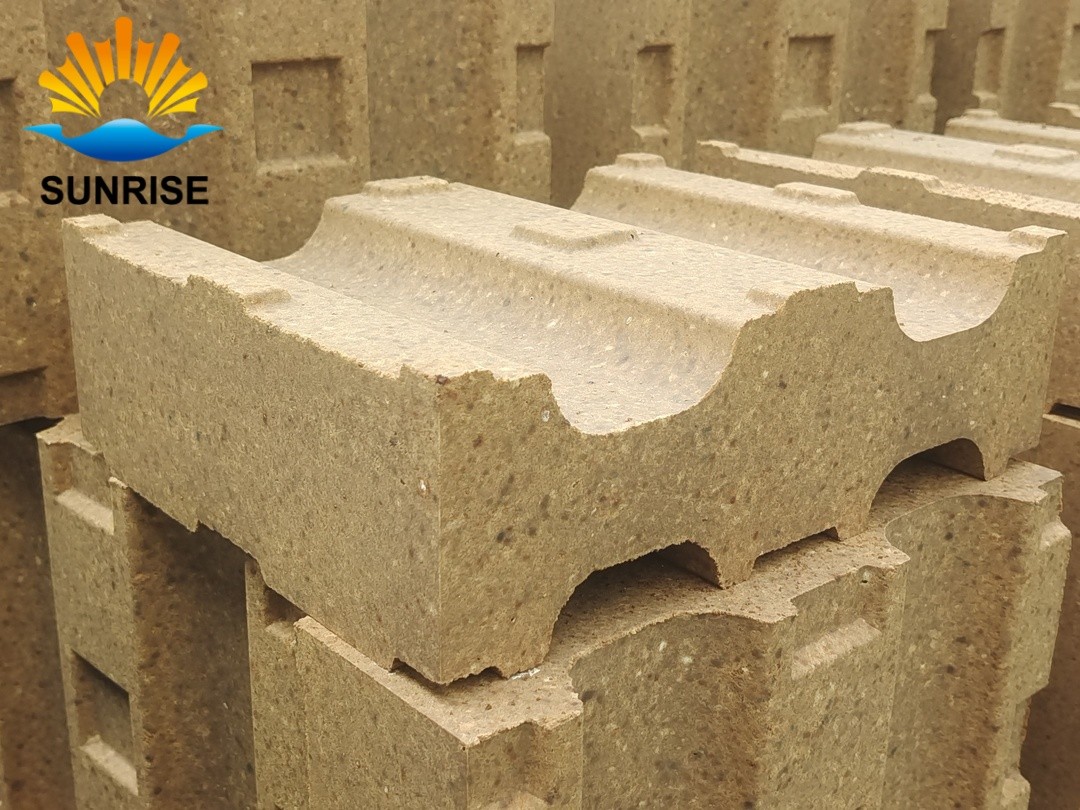
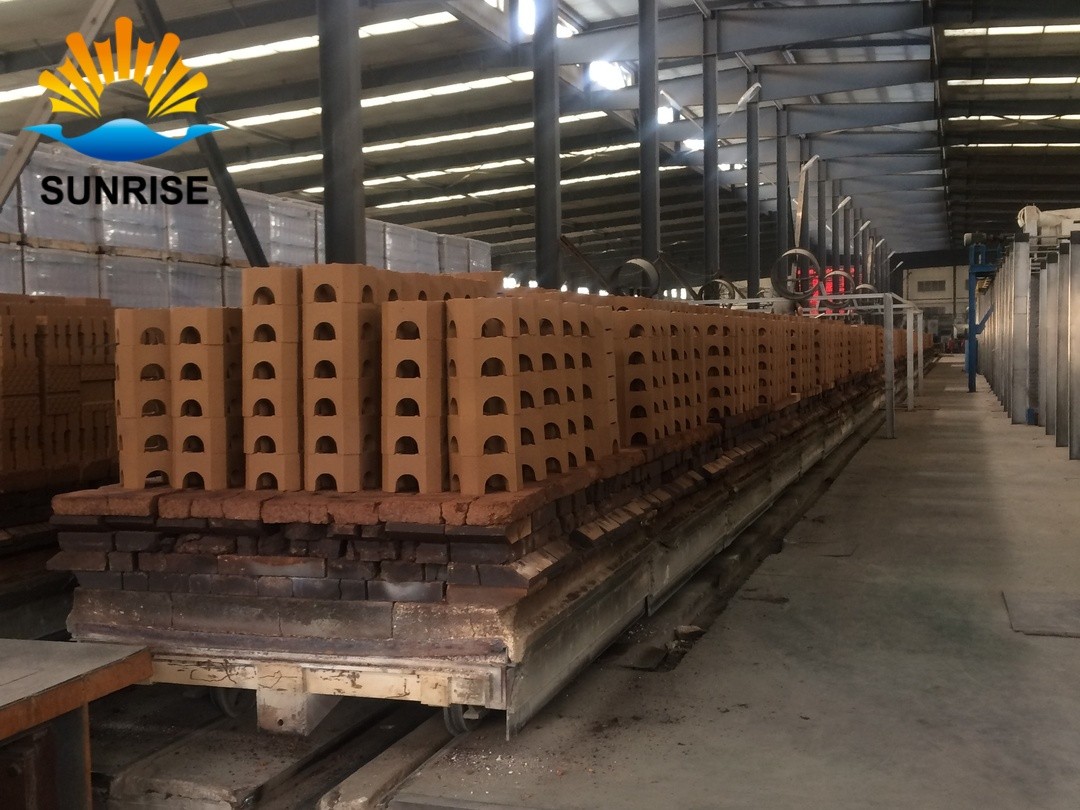
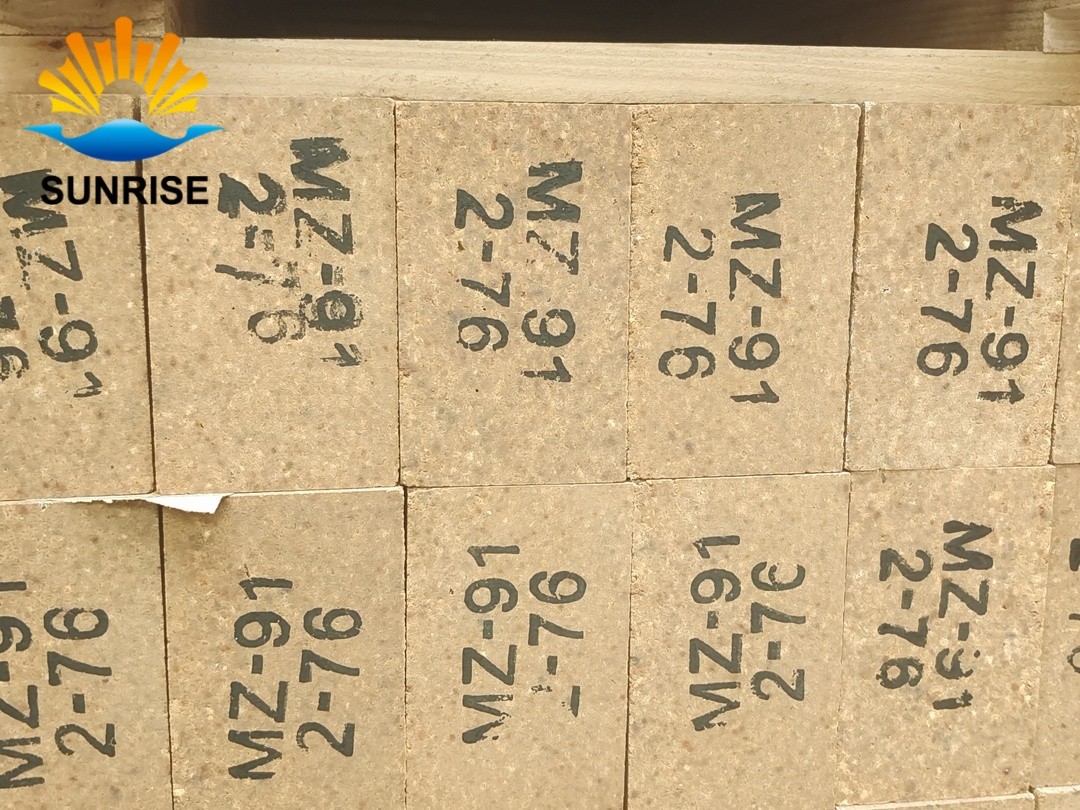
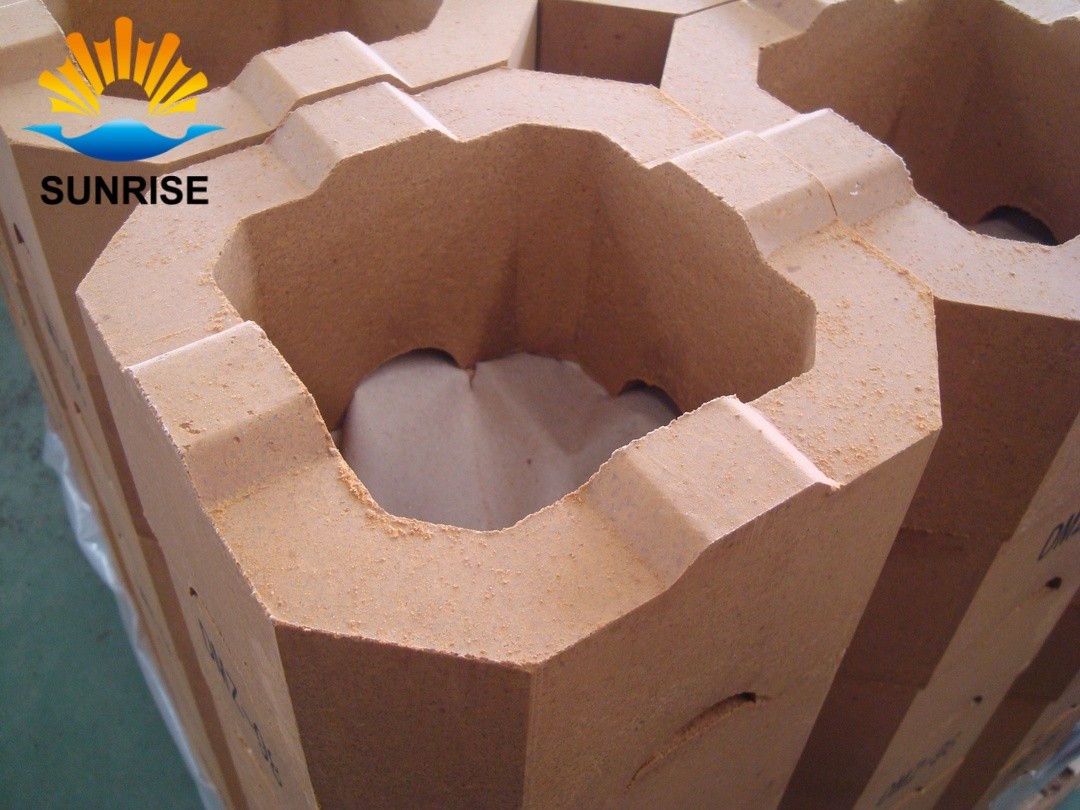
Magnesia Brick
MgO: 92-97%
Bulk Density:2.9-2.97g/cm3
Cold Crushing Strength: 75-89MPa
0.2MPa Refractoriness Under Load T0.6: 1600-1700℃
PRODUCT DESCRIPTION
Sintered Magnesia Bricks
Description
Ordinary magnesia bricks (sintered magnesia bricks) are basic refractory materials made from high-quality dead-burned magnesia (sintered magnesia) as the main raw material. Shaped under high pressure and fired at temperatures above 1500°C, their primary mineral phase is periclase (MgO). They usually feature an MgO content ranging from 89% to 98%. They are highly valued for their exceptional resistance to basic environments.
Advantages
l Strong Basic Slag Resistance: Excellent chemical resistance to basic slags, iron oxides, and high-calcium materials.
l High Refractoriness: Refractoriness is over 2000°C.
l High Load-Bearing Capacity: High refractoriness under load, offering structural stability at elevated temperatures.
l Excellent Mechanical Strength: High bulk density and cold crushing strength, making them highly resistant to mechanical wear and abrasion.
l Good Thermal Conductivity: Efficiently conducts heat, which is essential for specialized heat storage or dissipation systems.
Applications
1. Iron and Steel Industry
· Steelmaking Furnaces: Lining for the working layer and safety layer of basic Open-Hearth furnaces and EAFs (Electric Arc Furnaces).
· Mixer Furnaces & Ladles: Used in the slag line zones and bottom linings to resist basic steel slag.
2. Non-Ferrous Metallurgy
· Smelting Furnaces: Used in the linings of copper, lead, zinc, and nickel smelting furnaces and converters.
3. Glass Industry
· Regenerators: Widely used in the upper structures, target walls, and bottom layers of checker bricks in glass furnace regenerators.
4. Cement & Lime Industry
· Rotary Kilns: Used in the transition zones of cement kilns and the high-temperature burning zones of lime kilns.
Detailed Storage Guidelines
1. Storage Location
· Dry & Ventilated Indoor Storage: The bricks must be stored in a dry, well-ventilated warehouse.
· Climate Control: Maintain a stable temperature and low humidity in the warehouse to prevent condensation caused by temperature drops.
2. Moisture Protection
· Elevated Storage: Keep the brick pallets on racks or raised platforms. Ensure they are at least 15-20 cm off the ground and 50cm off the wall to avoid rising dampness or flooring moisture.
· Ventilation and Moisture Dissipation: After removing the magnesia bricks from the container, place them in a well-ventilated area for a few days to dissipate any residual moisture absorbed during maritime transit
· Original Packaging Sealed: Keep the original seaworthy packaging (plastic shrink wrap and strapping) intact until the moment of installation. Do not open the wrap early.
3. Handling & Stacking
· First-In, First-Out (FIFO): Implement a FIFO inventory system to minimize the total storage time of the bricks.
TECHNIQUE DATA
Item | MZ-92 | MZ-95 | MZ-96 | MZ-97 | MZ-98 | |
Chemical composition % | MgO ≥ | 92.5 | 94.5 | 95.5 | 96.5 | 97 |
SiO2 ≤ | 3.6 | 2 | 1.6 | 0.9 | 0.8 | |
CaO ≤ | 1.8 | 1.6 | 1.5 | 1.3 | 1.2 | |
Apparent Porosity% ≤ | 18 | 18 | 16 | 16 | 16 | |
Bulk Density g/cm3 ≥ | 2.90 | 2.92 | 2.96 | 2.96 | 2.97 | |
Cold Crushing Strength MPa ≥ | 75 | 86 | 89 | 88 | 81 | |
0.2Mpa Refractoriness Under Load T0.6 ℃ | ≥1600 | ≥1680 | ≥1700 | ≥1700 | ≥1700 | |
Permanent Linear Change On Reheating(%)1500℃X2h | 0~+0.4 | 0~+0.4 | 0~+0.4 | 0~+0.4 | 0~+0.4 | |
Online Message
* Note: Please be sure to fill in the information accurately and keep the communication open. We will contact you as soon as possible