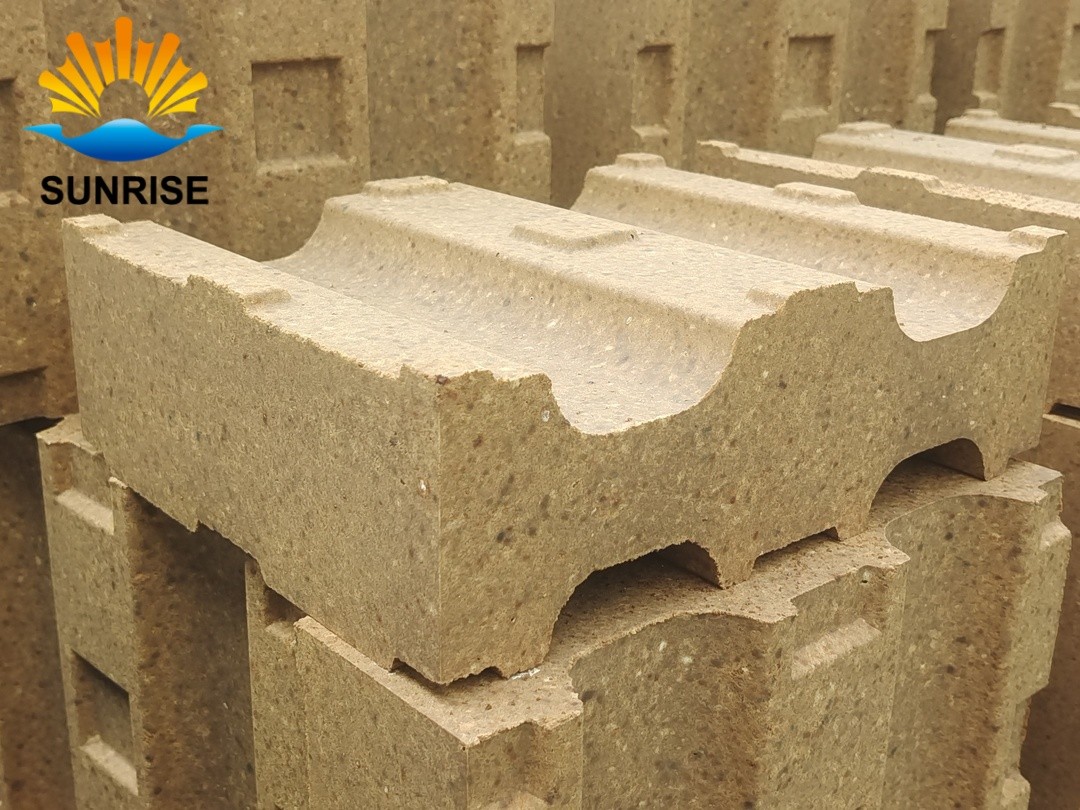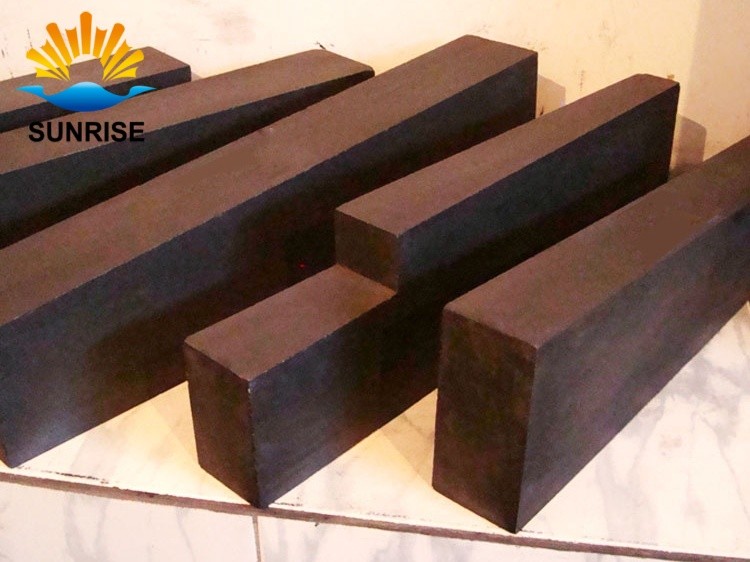

Magnesia Series Brick

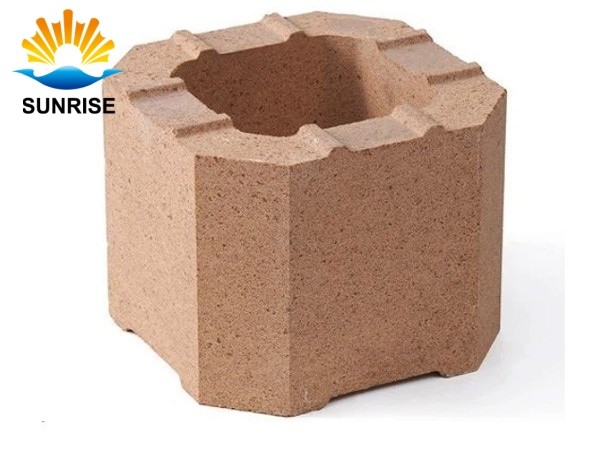
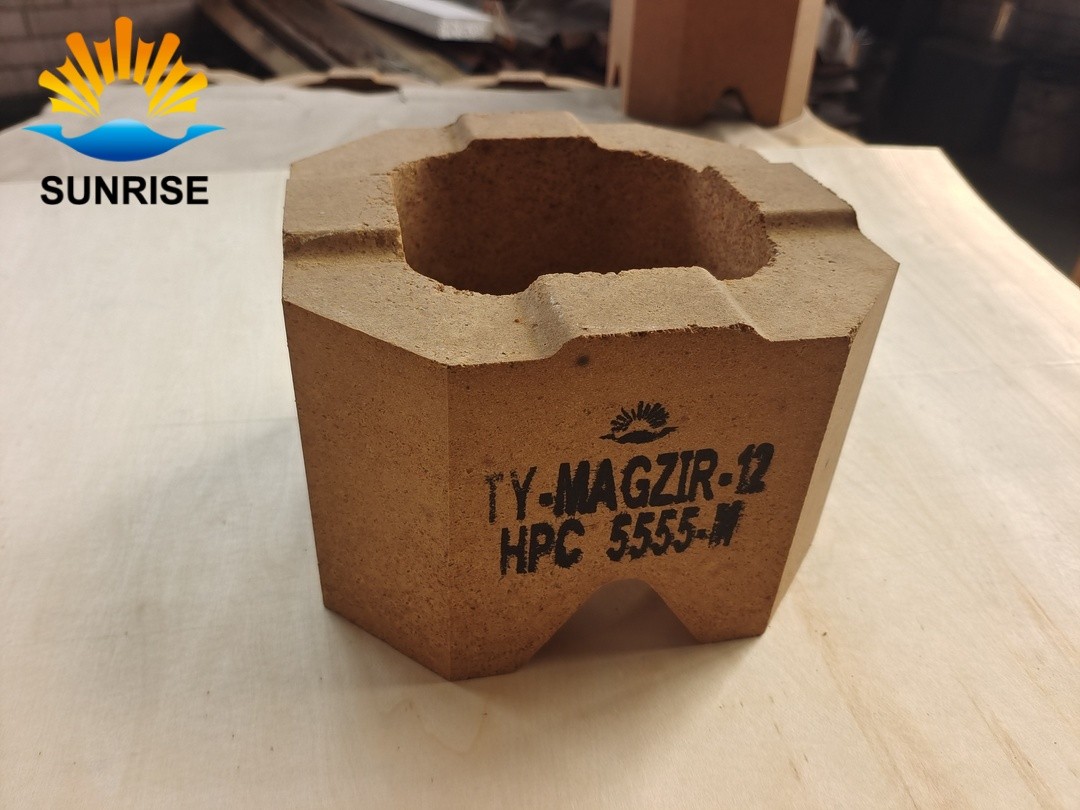
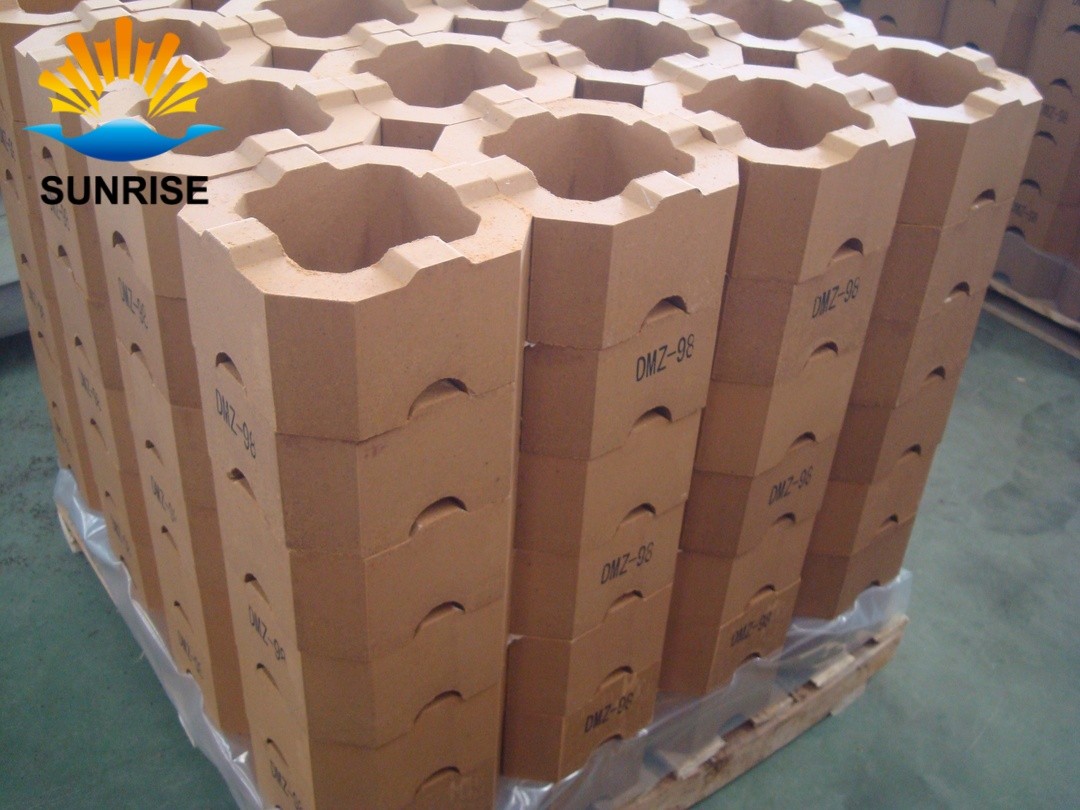
Magnesia Zirconia Brick
MgO: 73-76%
ZrO2: 12-12.5%
Bulk Density:3.1-3.18g/cm3
Cold Crushing Strength: 50-60MPa
0.2MPa Refractoriness Under Load T0.6: 1600-1620℃
PRODUCT DESCRIPTION
Magnesia Zirconia Brick
Introduction
Magnesia-zirconia bricks are high-end composite alkaline refractory materials. They are produced by blending premium-grade synthetic sintered magnesia or fused magnesia with zircon sand or industrial zirconia under high pressure, followed by high-temperature firing.During the firing process, a solid-state reaction occurs between the magnesia and zirconia, forming a unique matrix of periclase and calcium zirconate or forsterite. The inclusion of zirconium elements creates a strong direct-bonded crystal network. This structure fills the grain boundaries of the periclase, giving the bricks superior thermo-mechanical properties and chemical inertness compared to traditional magnesia refractories.
Advantages
Exceptional Resistance to Alkali and Carbonate Slags: The CaZrO₃ or ZrO₂ grain boundary phase creates a powerful shield that strongly resists chemical attack from molten alkali metals, volatile sodium or potassium vapors, and highly basic slags.
Outstanding Thermal Shock Resistance: Zirconia undergoes a micro-phase transformation during temperature changes, which generates micro-cracks inside the brick matrix. These micro-cracks absorb thermal stresses, preventing catastrophic spalling and cracking during rapid temperature cycles.
High Refractoriness Under Load: Because the direct-bonded crystal network lacks low-melting silicate phases, the brick retains excellent load-bearing capacity and volume stability at temperatures exceeding 1700°C.
Low Melt and Vapor Infiltration: The dense microstructure and high chemical inertness prevent molten glass, metals, and corrosive gases from penetrating deep into the brick core, stopping the formation of a brittle altered layer.
Environmentally Friendly: Unlike magnesia-chrome bricks, magnesia-zirconia bricks are entirely chromium-free (Cr-free). They eliminate the risk of forming toxic hexavalent chromium (Cr⁶⁺), making them safe for green and sustainable industrial operations.
Main Applications
1. Glass Industry
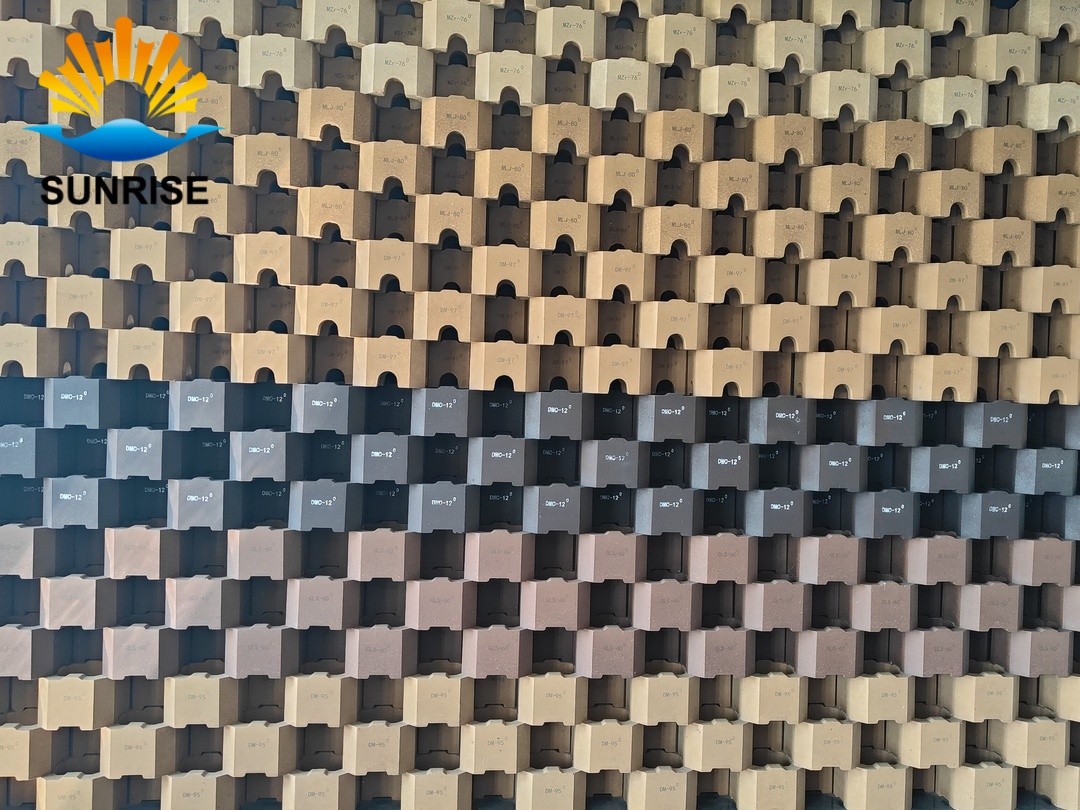
· Regenerator Checker-Work: Widely used in the top layers of checker-work in high-load glass furnace regenerators (especially for float glass, container glass, and tableware glass). They handle the volatile sodium sulfate attacks and frequent thermal cycling with ease.
· Regenerator target walls and crowns: Used in areas directly facing high-velocity, abrasive exhaust streams containing batch dust and alkali vapors.
2. Iron and Steel Industry
· Secondary Refining Ladles (LF/VOD): Applied in the slag lines and high-wear zones of refining ladles that handle aggressive, low-silica, highly basic refining slags.
· Continuous Casting Tundishes: Used as critical lining components or impact pads where high erosion resistance against molten steel and tundish flux is required.
3. Cement and Lime Industry
· Rotary Kiln Burning Zones: Used as a chromium-free alternative lining in the burning and transition zones of large-scale cement and lime kilns, providing excellent coating-holding capabilities and structural life.
4. Non-Ferrous Metallurgy
· Copper and Nickel Converters: Used in the slag lines and tuyere zones of non-ferrous smelting furnaces to resist the chemical washing of multi-component slags.
Detailed Storage Guidelines
1. Storage Location
· Dry & Ventilated Indoor Storage: The bricks must be stored in a dry, well-ventilated warehouse.
· Climate Control: Maintain a stable temperature and low humidity in the warehouse to prevent condensation caused by temperature drops.
2. Moisture Protection
· Elevated Storage: Keep the brick pallets on racks or raised platforms. Ensure they are at least 15-20 cm off the ground and 50cm off the wall to avoid rising dampness or flooring moisture.
· Ventilation and Moisture Dissipation: After removing the magnesia bricks from the container, place them in a well-ventilated area for a few days to dissipate any residual moisture absorbed during maritime transit
· Original Packaging Sealed: Keep the original seaworthy packaging (plastic shrink wrap and strapping) intact until the moment of installation. Do not open the wrap early.
3. Handling & Stacking
· First-In, First-Out (FIFO): Implement a FIFO inventory system to minimize the total storage time of the bricks.
TECHNIQUE DATA
Item | Magnesia-Zircon Brick | |
MZ-A | MZ-B | |
MgO% ≥ | 76 | 73 |
ZrO2 %≥ | 12.5 | 12 |
Apparent Porosity%≤ | 13 | 15 |
Bulk Density (g/cm3)≥ | 3.18 | 3.10 |
Cold Crushing Strength (MPa)≥ | 60 | 50 |
Refractoriness Under Load°C≥ | 1620 | 1600 |
Thermal Shock Resistance(950℃-wind cooling)≥ | 10 | 10 |
Online Message
* Note: Please be sure to fill in the information accurately and keep the communication open. We will contact you as soon as possible