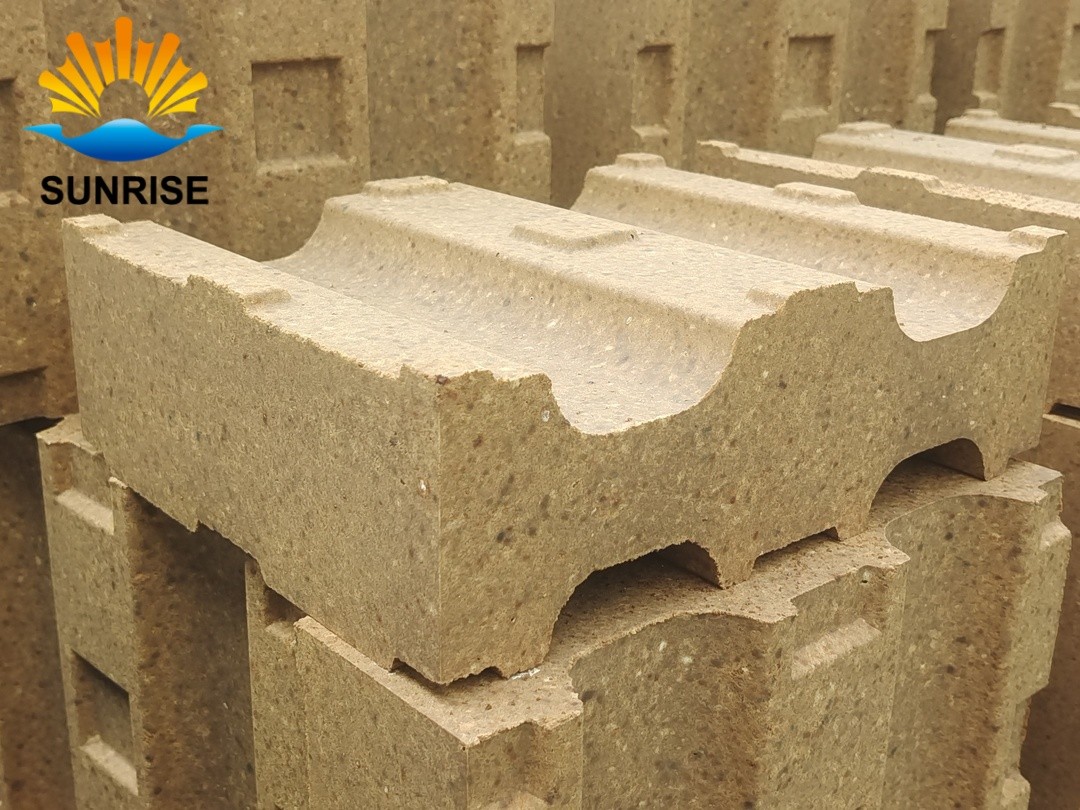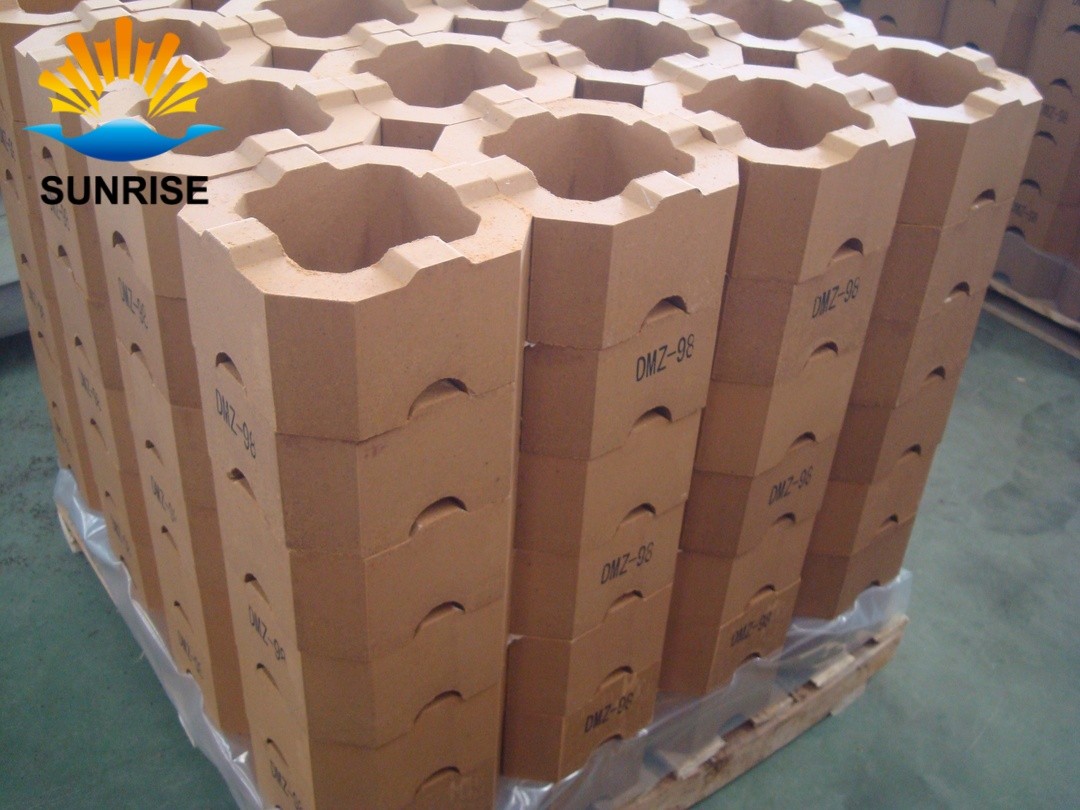

Magnesia Series Brick

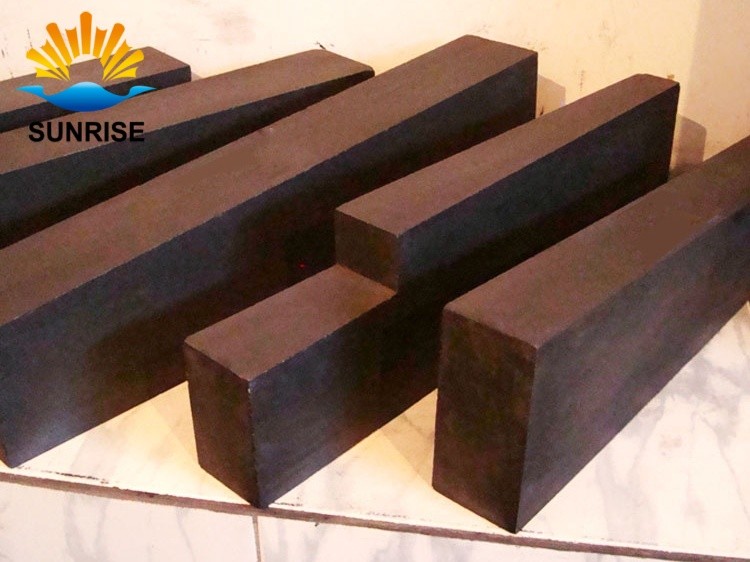
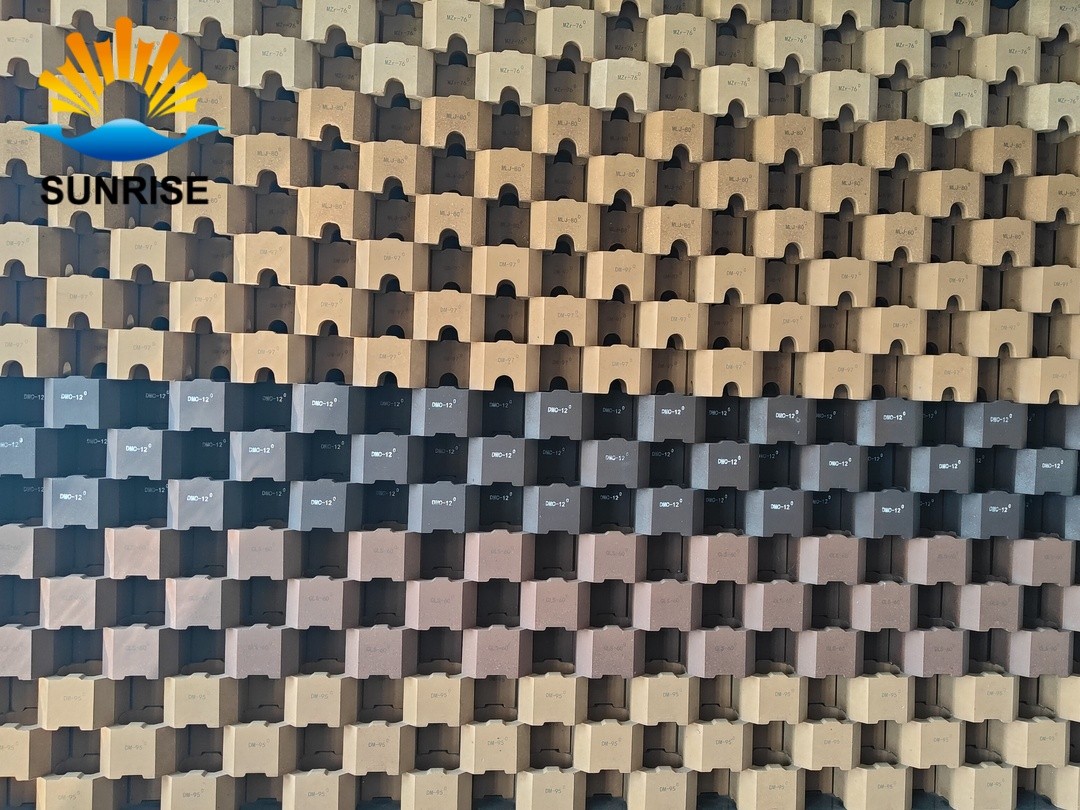
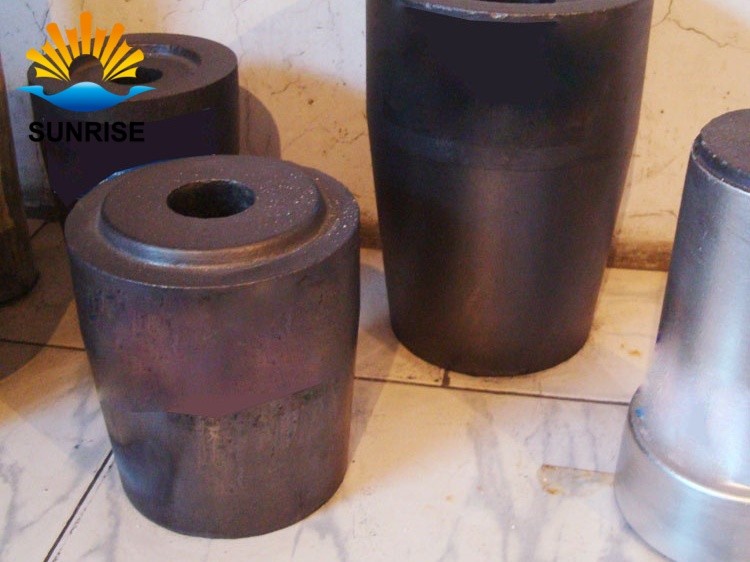
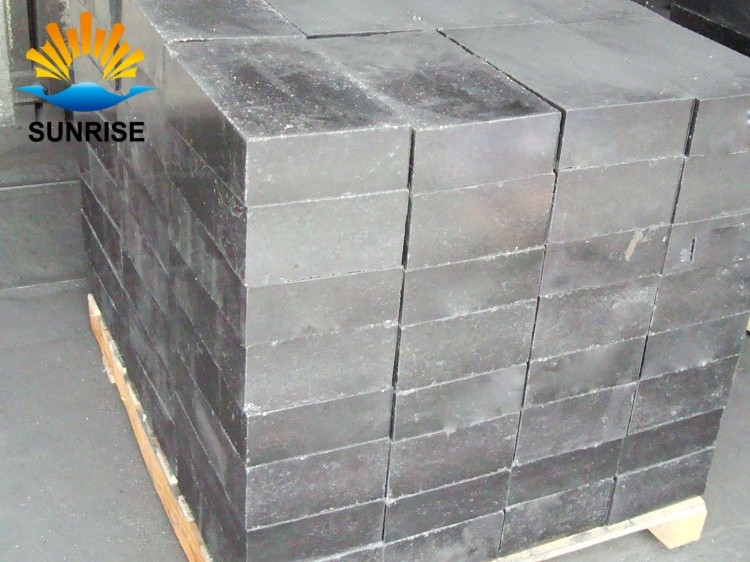
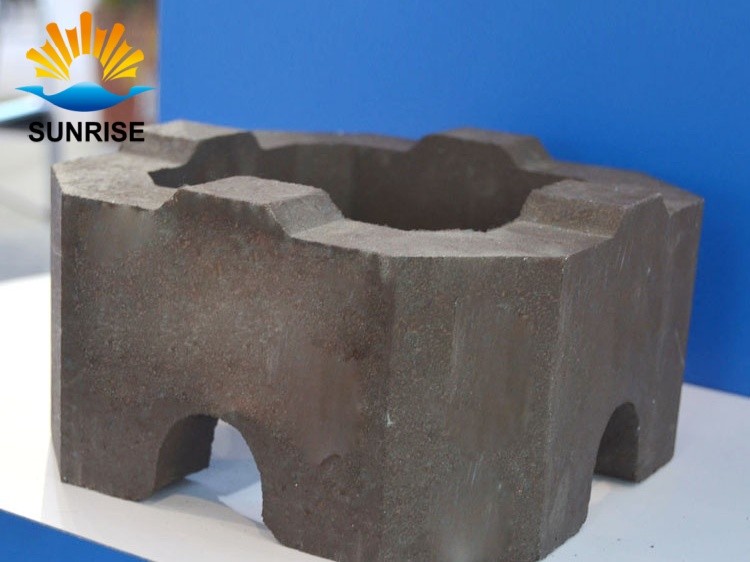
Magnesia Carbon Brick
MgO:72-84%
C: 8-18%
Bulk Density:2.92-3.00g/cm3
Cold Crushing Strength: 35-50MPa
PRODUCT DESCRIPTION
Magnesia Carbon Brick
Introduction
Magnesia-carbon bricks are high-performance composite refractory materials made from high-purity dead-burned magnesia or fused magnesia combined with flake graphite and carbonaceous resin binders. Formed under extreme pressure and treated at low temperatures, they feature a dense, non-fired structure. Metal antioxidants are typically added to protect the carbon matrix from oxidation.
Advantages
l Superior Thermal Shock Resistance: Flake graphite possesses a low thermal expansion coefficient and high thermal conductivity, making the bricks highly resistant to rapid temperature cycles without cracking.
l Excellent Non-Wetting Property: Molten steel and basic slags have a high contact angle with carbon, which prevents the slag from infiltrating and eroding the brick interior.
l High Slag Resistance: The combination of chemically stable MgO and non-wetting carbon provides outstanding resistance to aggressive iron oxides and basic slags.
l High Temperature Mechanical Strength: The dense matrix and strong carbon bond yield exceptional compressive strength and structural integrity at steelmaking temperatures.
l Outstanding Erosion Resistance: Resists the severe mechanical wash and abrasive turbulence of molten steel during tapping and stirring.
Applications
1. Oxygen Converters (BOF / LD Converters)
· Critical Zones: Widely used to line the entire working layer, especially high-wear zones like the slag line, trunnion area, charge side, and taphole sleeve.
2. Electric Arc Furnaces (EAF)
· Hot Spots and Slag Lines: Used in areas facing extreme arc radiation and hot spots, as well as the slag line where molten basic slags are most aggressive.
3. Steel Ladles & Refining Ladles (LF / VOD)
· Slag Lines: The absolute standard material for the slag line zone of refining ladles, which suffers from intense slag corrosion, arc heating, and continuous gas stirring.
Detailed Storage Guidelines
1. Storage Location
· Dry & Ventilated Indoor Storage: The bricks must be stored in a dry, well-ventilated warehouse.
· Climate Control: Maintain a stable temperature and low humidity in the warehouse to prevent condensation caused by temperature drops.
2. Moisture Protection
· Elevated Storage: Keep the brick pallets on racks or raised platforms. Ensure they are at least 15-20 cm off the ground and 50cm off the wall to avoid rising dampness or flooring moisture.
· Ventilation and Moisture Dissipation: After removing the magnesia bricks from the container, place them in a well-ventilated area for a few days to dissipate any residual moisture absorbed during maritime transit
· Original Packaging Sealed: Keep the original seaworthy packaging (plastic shrink wrap and strapping) intact until the moment of installation. Do not open the wrap early.
3. Handling & Stacking
· First-In, First-Out (FIFO): Implement a FIFO inventory system to minimize the total storage time of the bricks.
TECHNIQUE DATA
| Item | SR-MC8 | SR-MC10 | SR-MC12 | SR-MC14 | SR-MC18 | |
| Apparent Porosity % ≤ | 5.0 | 4.0 | 4.0 | 3.0 | 3.0 | |
| Bulk Density g/cm3 ≥ | 3.00 | 3.00 | 2.98 | 2.95 | 2.92 | |
| Cold Crushing Strength MPa ≥ | 50 | 40 | 40 | 35 | 35 | |
| Chemical Composition % | Mgo,≥ | 84 | 82 | 76 | 76 | 72 |
| C,≥ | 8 | 10 | 12 | 14 | 18 | |
Online Message
* Note: Please be sure to fill in the information accurately and keep the communication open. We will contact you as soon as possible