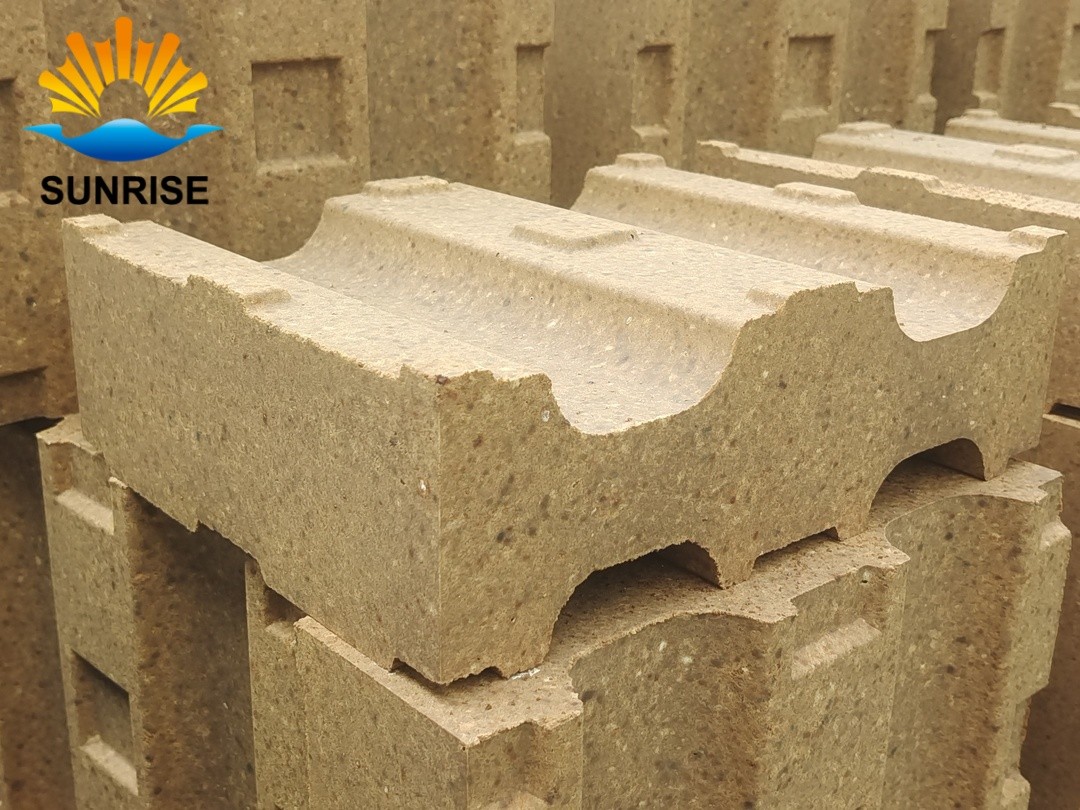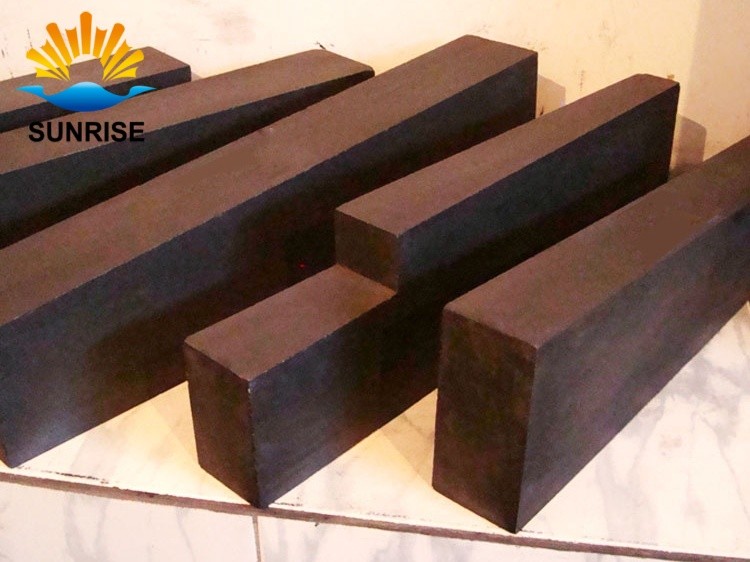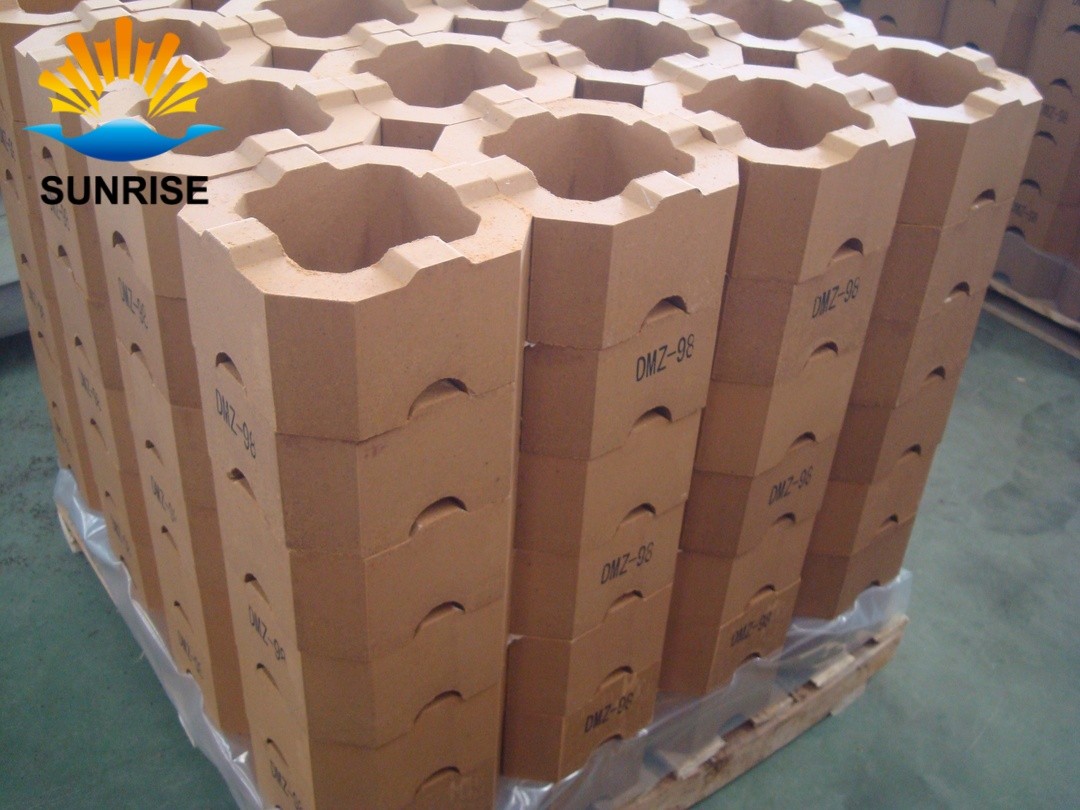

Magnesia Series Brick

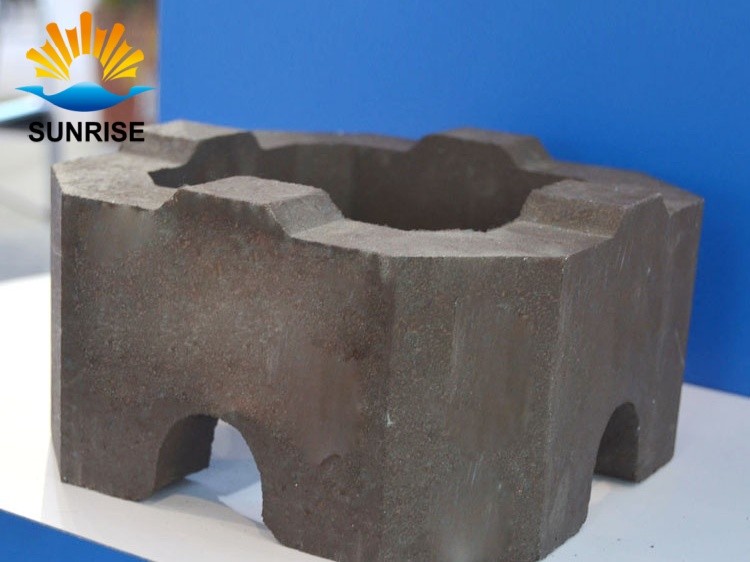
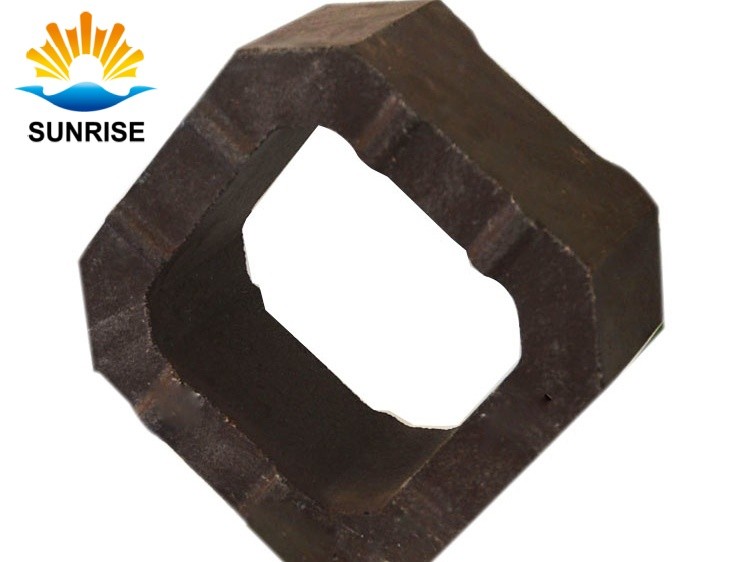
Magnesia Chrome Brick
MgO: 35-70%
Cr2O3: 8-40%
Bulk Density:3-3.3g/cm3
Cold Crushing Strength: 40MPa
0.2MPa Refractoriness Under Load T0.6: 1650-1700℃
PRODUCT DESCRIPTION
Magnesia Chrome Brick
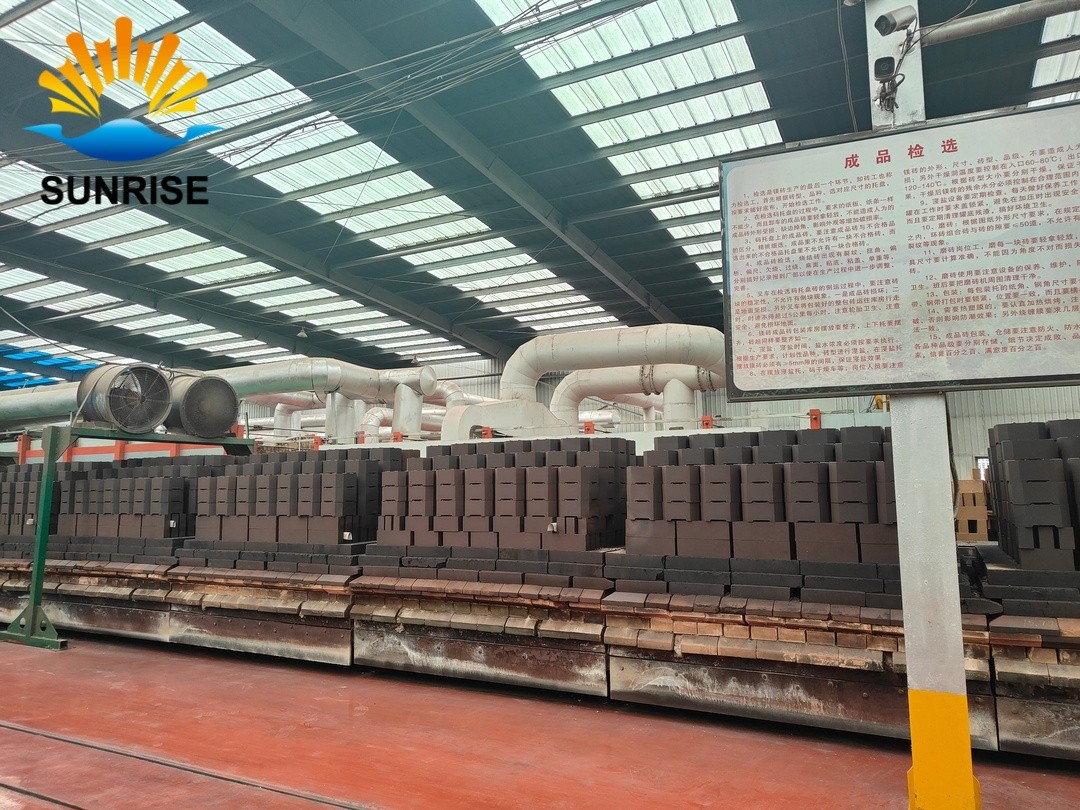
Magnesia chrome bricks are basic refractory materials composed of high-purity magnesia and premium-grade chrome concentrate. Depending on the manufacturing process, they are classified into Direct-Bonded, Rebonded, and Semi-Rebonded magnesia-chrome bricks. Direct-bonded and rebonded variants are fired at ultra-high temperatures up to1700°C, allowing periclase and spinel crystals to bond directly. This structure minimizes the silicate phase and provides superior high-temperature performance.
Advantages
Superb Slag Resistance: Provides excellent chemical resistance to both basic slags and moderately acidic slags, making them highly versatile.
High Refractoriness Under Load (RUL): Maintains excellent structural integrity and volume stability at temperatures exceeding 1650°C to 1700°C.
Good Thermal Shock Resistance: The introduction of chrome creates a complex spinel structure, lowering the thermal expansion coefficient and significantly reducing spalling compared to pure magnesia bricks.
Low Melt Infiltration: High density and tight grain boundaries physically restrict the penetration of molten metals and slags into the brick lining.
Excellent Erosion Resistance: Resists heavy mechanical wash and abrasive wear from high-velocity molten metal and gas streams.
Main Applications
1. Non-Ferrous Metallurgy
Smelting Furnaces: Widely used in the critical zones (tuyere lines, slag lines, and roofs) of copper, nickel, lead, and zinc converters, flash furnaces, and reverberatory furnaces.
2. Iron and Steel Industry
Secondary Refining Vessels: Lining materials for RH (Ruhrstahl-Heraeus) degassers, VOD (Vacuum Oxygen Decarburization) ladles, and AOD (Argon Oxygen Decarburization) converters processing high-alloy steels.
3. Cement Industry
Rotary Kilns: Used in the transition and burning zones of large-scale cement kilns due to their excellent coating-holding capability.
4. Glass Furnace
Glass Furnace Regenerators: Used in top and middle layers of checker-work, regenerator target walls to withstand intense thermal cycling, high-velocity, abrasive exhaust stream containing volatile alkaline vapors and carry-over batch dust.
Detailed Storage Guidelines
1. Storage Location
Dry & Ventilated Indoor Storage: The bricks must be stored in a dry, well-ventilated warehouse.
Climate Control: Maintain a stable temperature and low humidity in the warehouse to prevent condensation caused by temperature drops.
2. Moisture Protection
Elevated Storage: Keep the brick pallets on racks or raised platforms. Ensure they are at least 15-20 cm off the ground and 50cm off the wall to avoid rising dampness or flooring moisture.
Ventilation and Moisture Dissipation: After removing the magnesia bricks from the container, place them in a well-ventilated area for a few days to dissipate any residual moisture absorbed during maritime transit
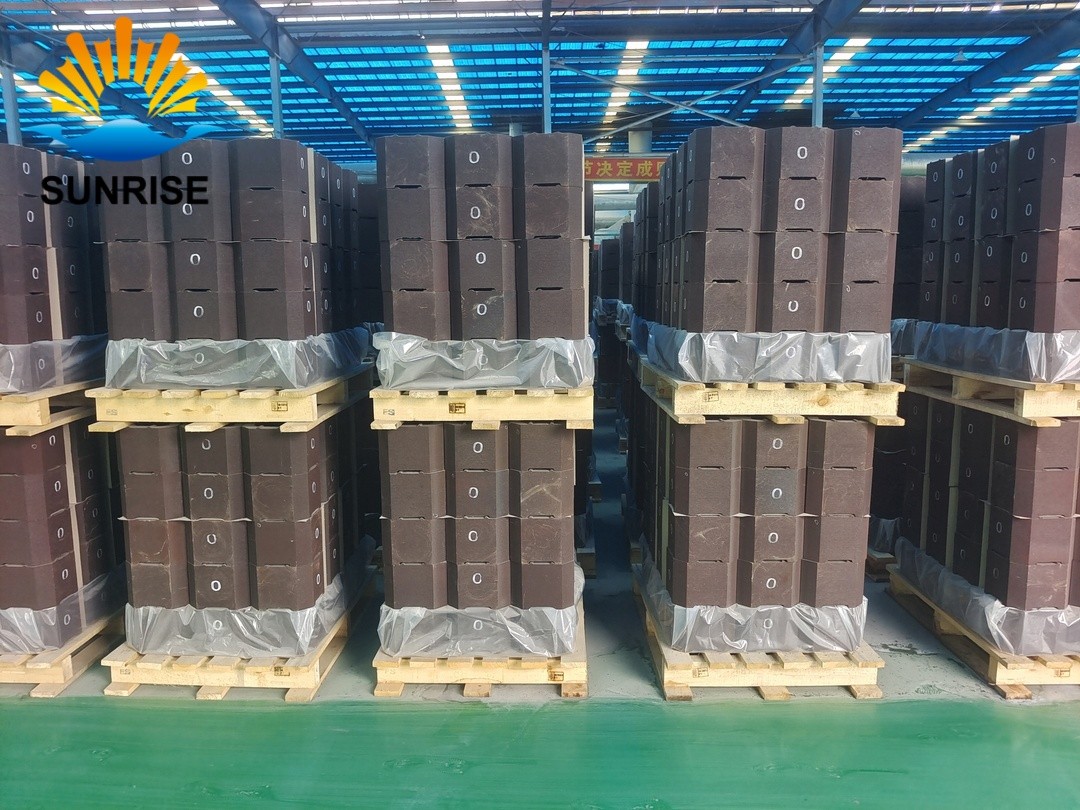
Original Packaging Sealed: Keep the original seaworthy packaging (plastic shrink wrap and strapping) intact until the moment of installation. Do not open the wrap early.
3. Handling & Stacking
First-In, First-Out (FIFO): Implement a FIFO inventory system to minimize the total storage time of the bricks.
TECHNIQUE DATA
Item | Behaviors | ||||
Magnesia Chrome Bricks | |||||
DMC-40 | DMC-20 | DMC-12 | DMC-8 | ||
Chemical Composition % | MgO | 35 | 60 | 70 | 70 |
SiO2 | 1.0 | 1.0 | 2.0 | 2.0 | |
Cr2O3 | 40 | 20 | 12 | 8 | |
Apparent Porosity % | 16 | 16 | 18 | 18 | |
Cold Crushing Strength Mpa | 40 | 40 | 40 | 40 | |
0.2Mpa Refractoriness Under Load T0.6 | 1700 | 1700 | 1650 | 1650 | |
Bulk Density g/cm3 | 3.3 | 3.15 | 3.05 | 3.0 | |
Online Message
* Note: Please be sure to fill in the information accurately and keep the communication open. We will contact you as soon as possible