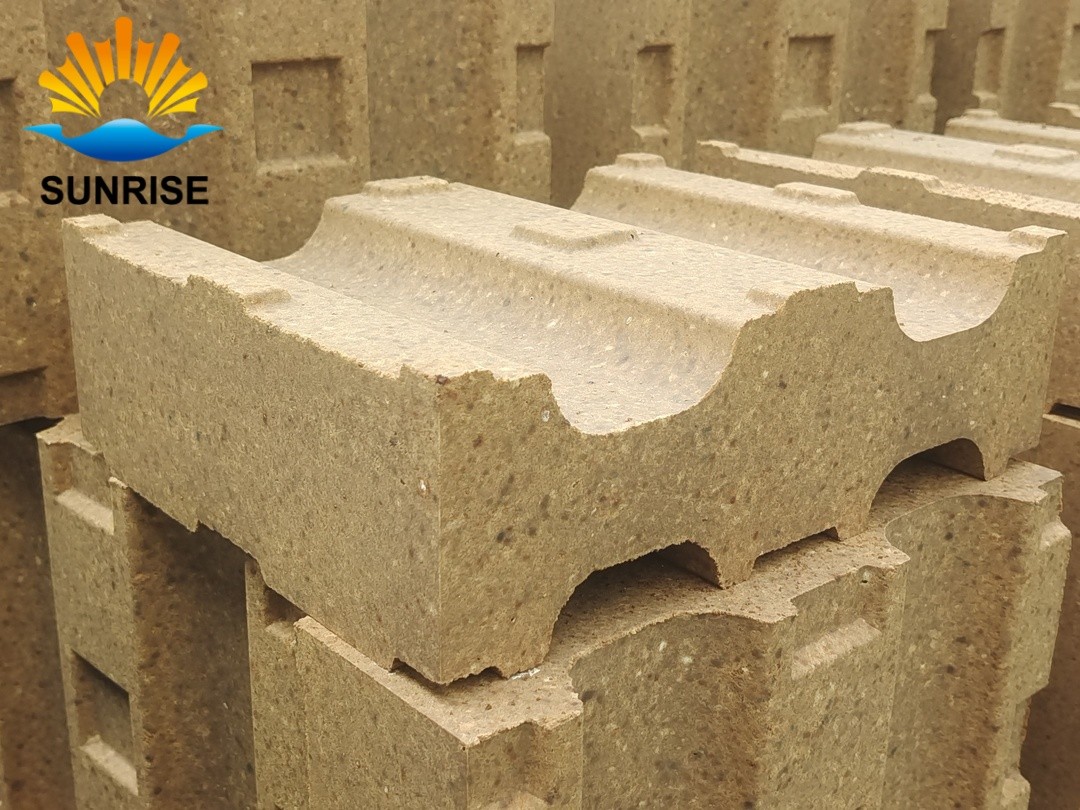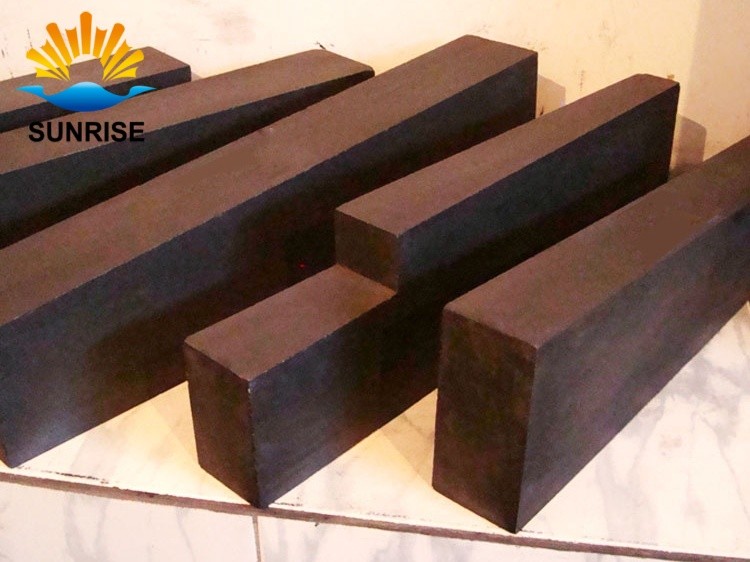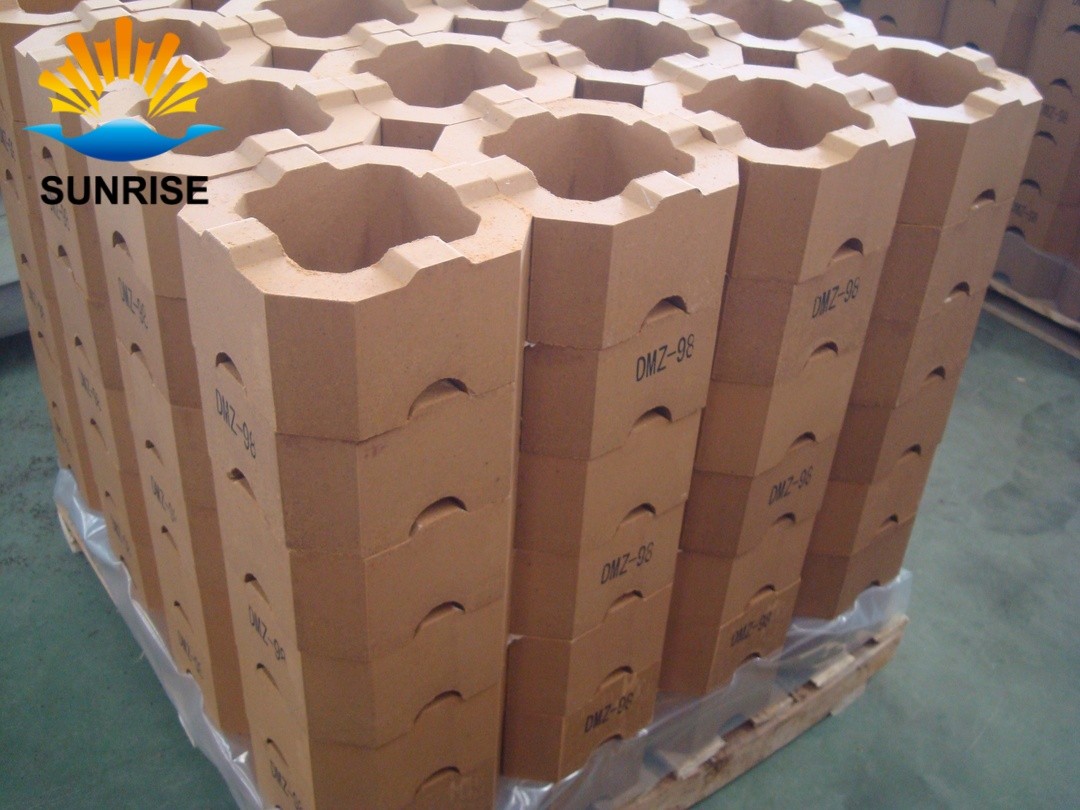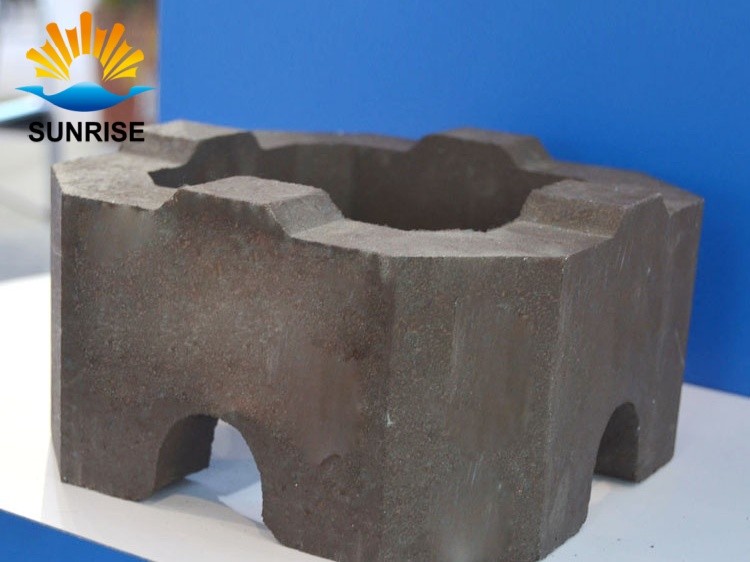

Magnesia Series Brick

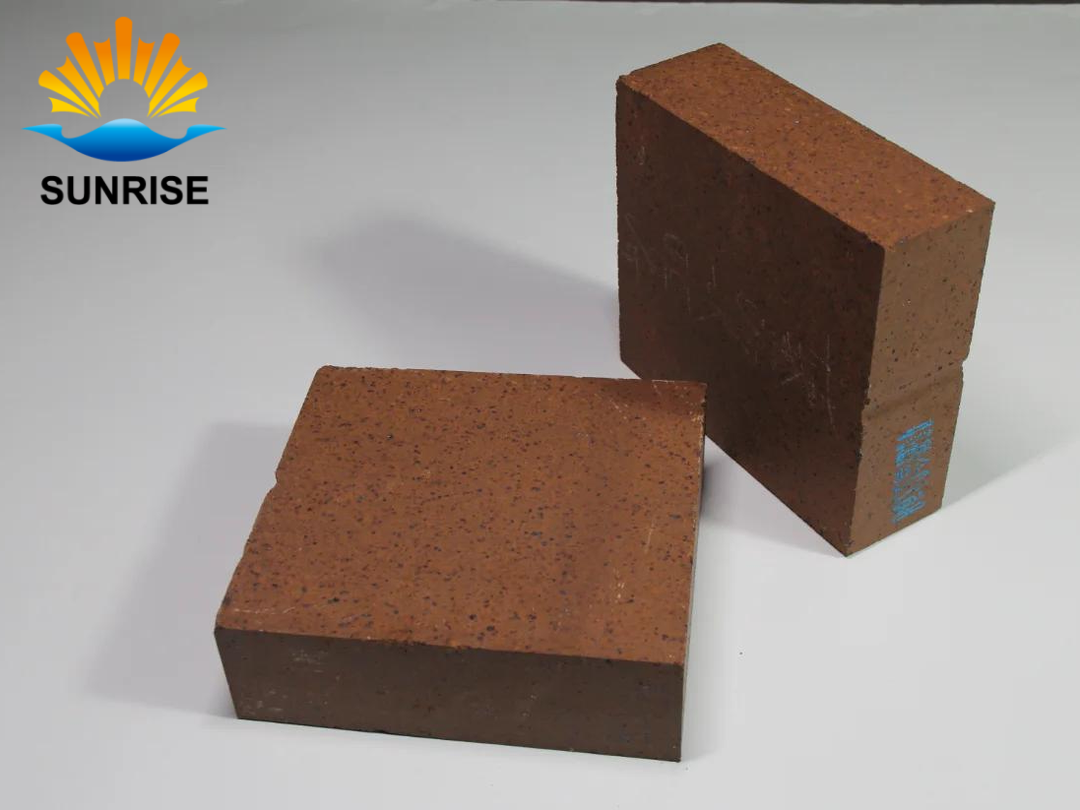
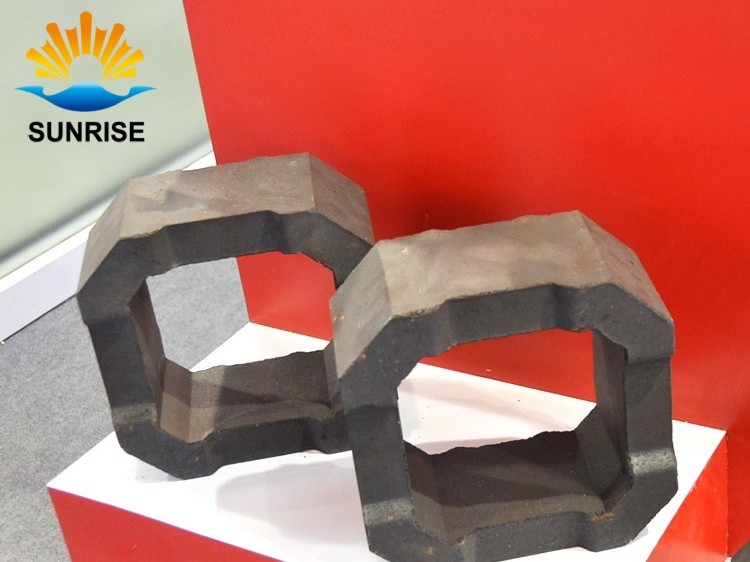
Magnesia Ferrum Spinel Brick
MgO:80-84%
Fe2O3: 4.4-6.3%
Cr2O3: 3.5%
Bulk Density:2.98-3.05g/cm3
Cold Crushing Strength: 45MPa
0.2MPa Refractoriness Under Load T0.6: 1650℃
PRODUCT DESCRIPTION
Magnesia Ferrum Spinel Brick
Introduction
Magnesia ferrum spinel bricks are cutting-edge, eco-friendly basic refractory materials developed specifically for the burning zones of modern, large-scale cement rotary kilns. They are manufactured by blending high-purity fused or sintered magnesia with high-purity synthetic iron-alumina spinel under high pressure, followed by high-temperature firing in a strictly controlled atmosphere.
During sintering, iron ions diffuse into the periclase lattice, forming a robust, direct-bonded periclase-magnesia iron spinel crystal structure. This highly engineered matrix eliminates the need for toxic chromium, providing the brick with an extraordinary ability to adhere to cement clinkers while maintaining superior thermo-mechanical flexibility.
Advantages
l Exceptional Kiln Coating Adherence: The iron oxide components within the brick react perfectly with the calcium oxide in cement clinkers at high temperatures to form a highly viscous, stable protective coating. This "kiln coating" acts as a natural shield, drastically reducing direct wear on the refractory lining.
l 100% Chromium-Free & Eco-Friendly: Containing zero chromium, these bricks completely eliminate the formation of toxic hexavalent chromium. They serve as the premier green alternative to traditional magnesia-chrome bricks, meeting the strictest international environmental standards.
l Superior Thermal Shock Resistance (TSR): The mismatch in thermal expansion coefficients between the periclase matrix and the iron-alumina spinel phases generates a microscopic network of micro-cracks. These micro-cracks effectively absorb thermal stress, preventing the bricks from cracking or spalling during sudden temperature fluctuations.
l Excellent Flexibility and Mechanical Stress Relaxation: Magnesia-iron spinel bricks exhibit lower rigidity and a unique high-temperature plastic deformation capacity. This flexibility allows the lining to bend slightly and absorb the severe mechanical stresses caused by the ovality and distortion of the rotating kiln shell.
l High Refractoriness Under Load (RUL): Free of low-melting silicate phases, these bricks offer outstanding structural stability and high-temperature volume stability, maintaining their load-bearing capacity even at temperatures exceeding 1680°C.
Applications
1. Cement Industry
· Rotary Kiln Burning Zones: The absolute industry-standard lining for the upper and lower burning zones (firing zones) of large, modern dry-process cement rotary kilns. It is especially effective in kilns utilizing alternative fuels (like municipal waste or biomass) that generate highly fluctuating and aggressive thermal loads.
· Transition Zones: Used in the upper transition zones of cement kilns where stable coating adherence and high thermal shock resistance are simultaneously required.
2. Lime and Dolomite Industry
· High-Temperature Rotary Kilns: Applied in the burning zones of large industrial rotary kilns used for dead-burning active lime or calcining dolomite.
Detailed Storage Guidelines
1. Storage Location
· Dry & Ventilated Indoor Storage: The bricks must be stored in a dry, well-ventilated warehouse.
· Climate Control: Maintain a stable temperature and low humidity in the warehouse to prevent condensation caused by temperature drops.
2. Moisture Protection
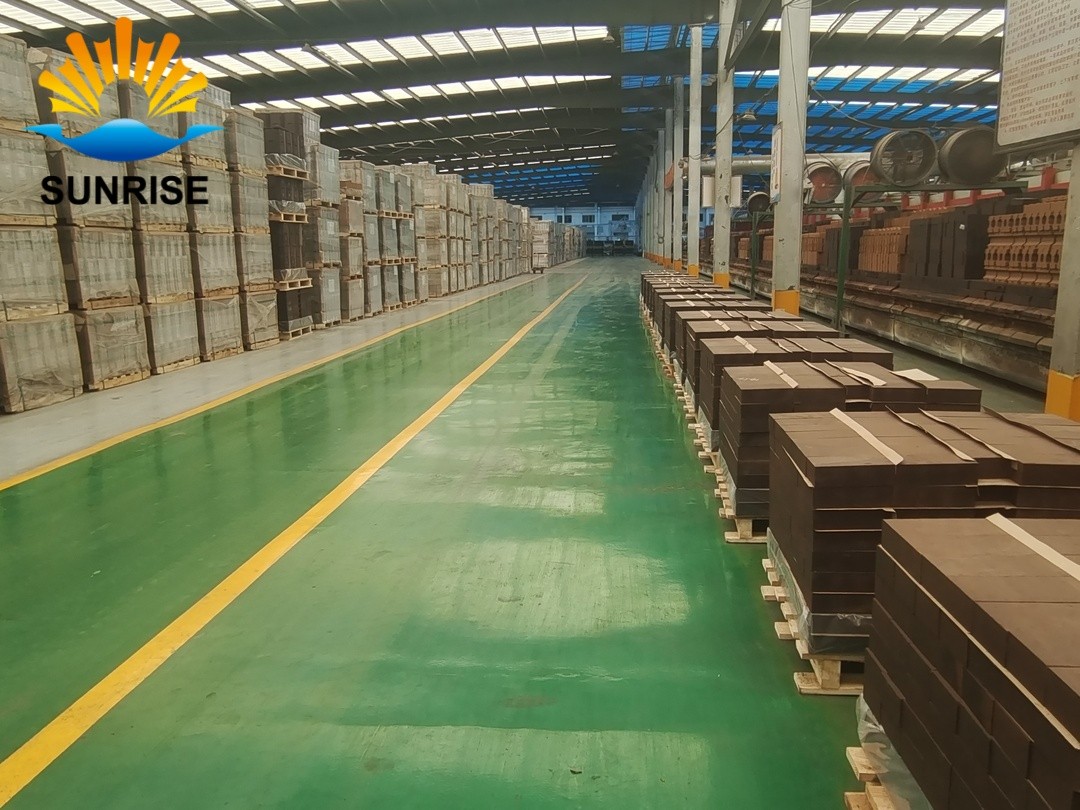
· Elevated Storage: Keep the brick pallets on racks or raised platforms. Ensure they are at least 15-20 cm off the ground and 50cm off the wall to avoid rising dampness or flooring moisture.
· Ventilation and Moisture Dissipation: After removing the magnesia bricks from the container, place them in a well-ventilated area for a few days to dissipate any residual moisture absorbed during maritime transit
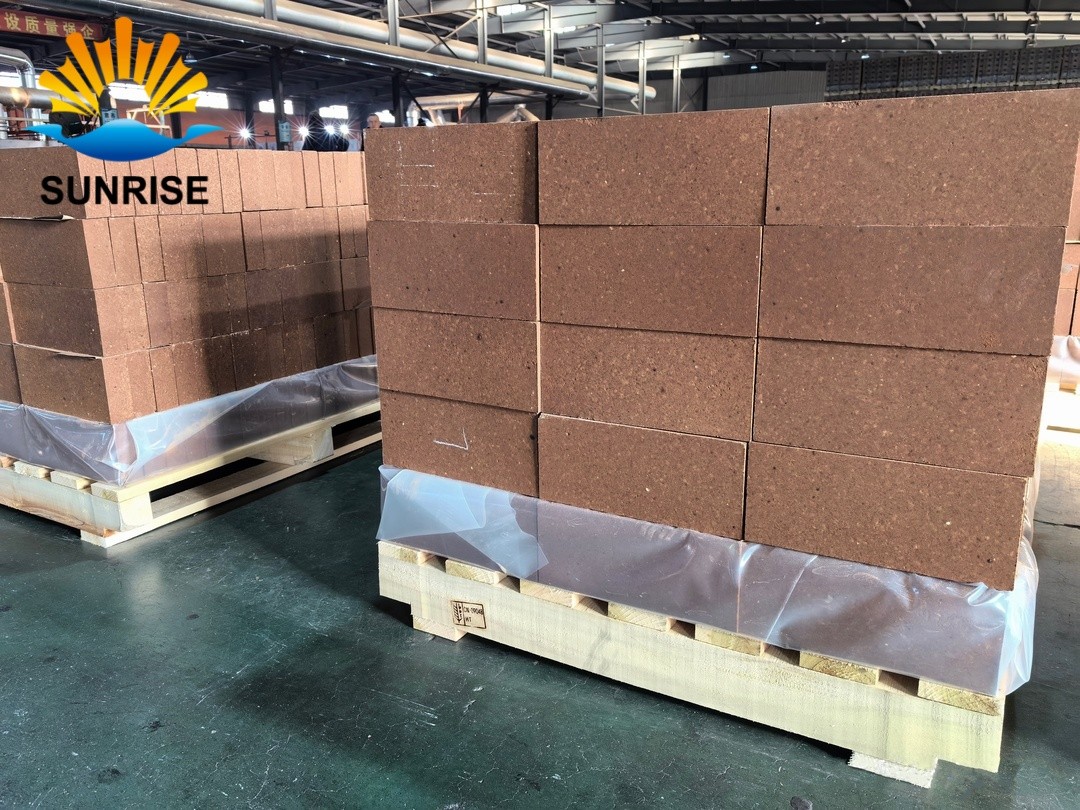
· Original Packaging Sealed: Keep the original seaworthy packaging (plastic shrink wrap and strapping) intact until the moment of installation. Do not open the wrap early.
3. Handling & Stacking
· First-In, First-Out (FIFO): Implement a FIFO inventory system to minimize the total storage time of the bricks.
TECHNIQUE DATA
| Item | Behaviors | ||
| Magnesia Ferrum Spinel Brick | |||
| TY-MF80 | TY-MF75 | ||
| Chemical Composition % | MgO ≥ | 84 | 80 |
| Al2O3 ≤ | 2.5 | 2.5 | |
| Cr2O3 ≥ | 3.6 | 3.5 | |
| Fe2O3 | 6.3 | 4.4 | |
| Apparent Porosity % | 17 | 17 | |
| Cold Crushing Strength MPa | 45 | 45 | |
| 0.2MPa Refractoriness Under Load ℃ | 1650 | 1650 | |
| Bulk Density g/cm3 | 2.98 | 3.05 | |
| Thermal Shock Resistance (1100℃ water cooling, times) | 4 | 4 | |
Online Message
* Note: Please be sure to fill in the information accurately and keep the communication open. We will contact you as soon as possible