
Magnesia Series Brick

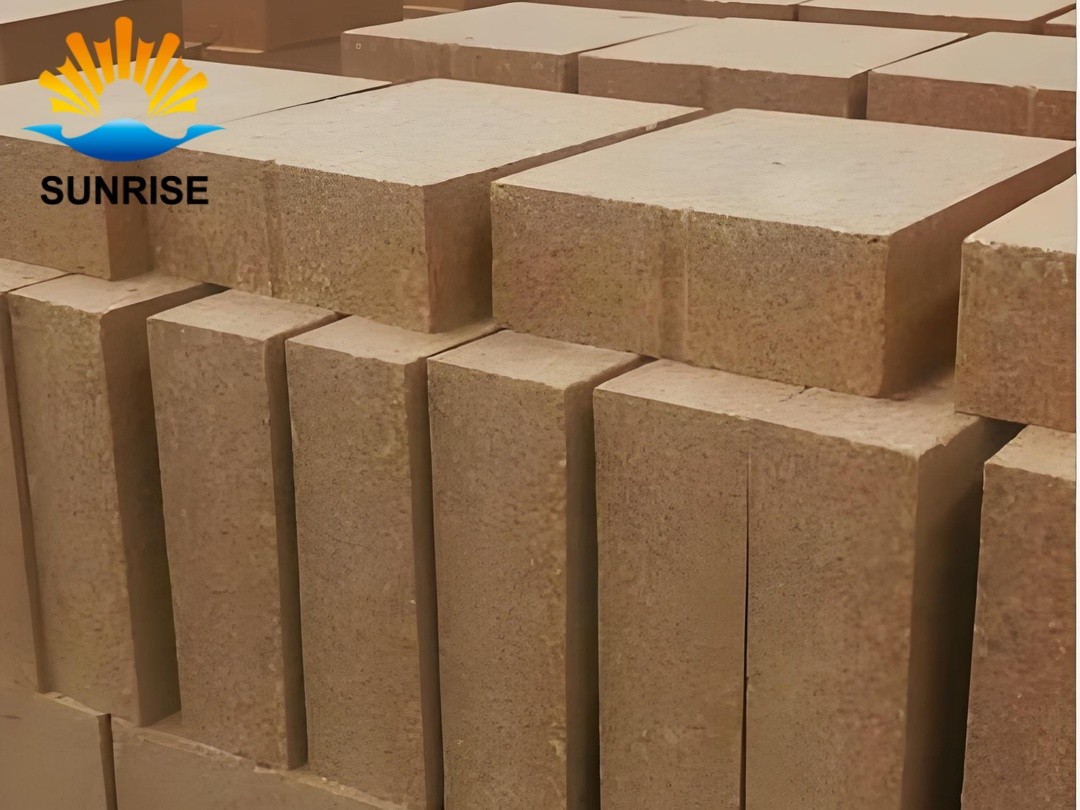
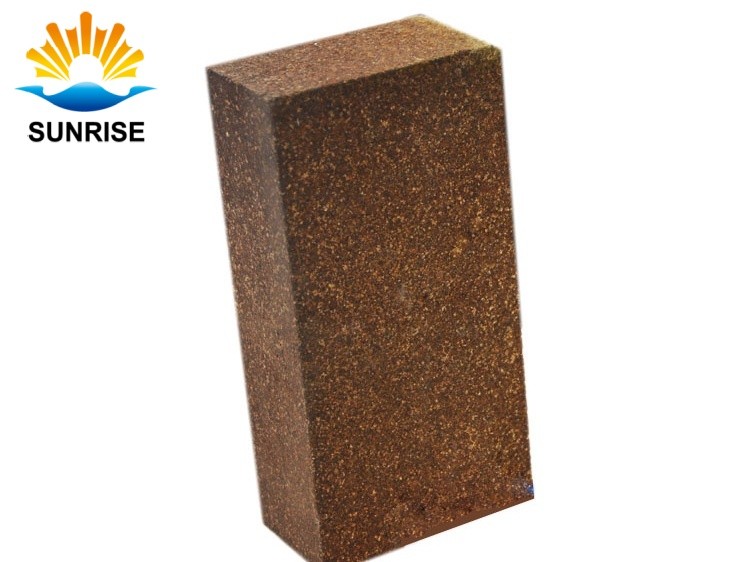
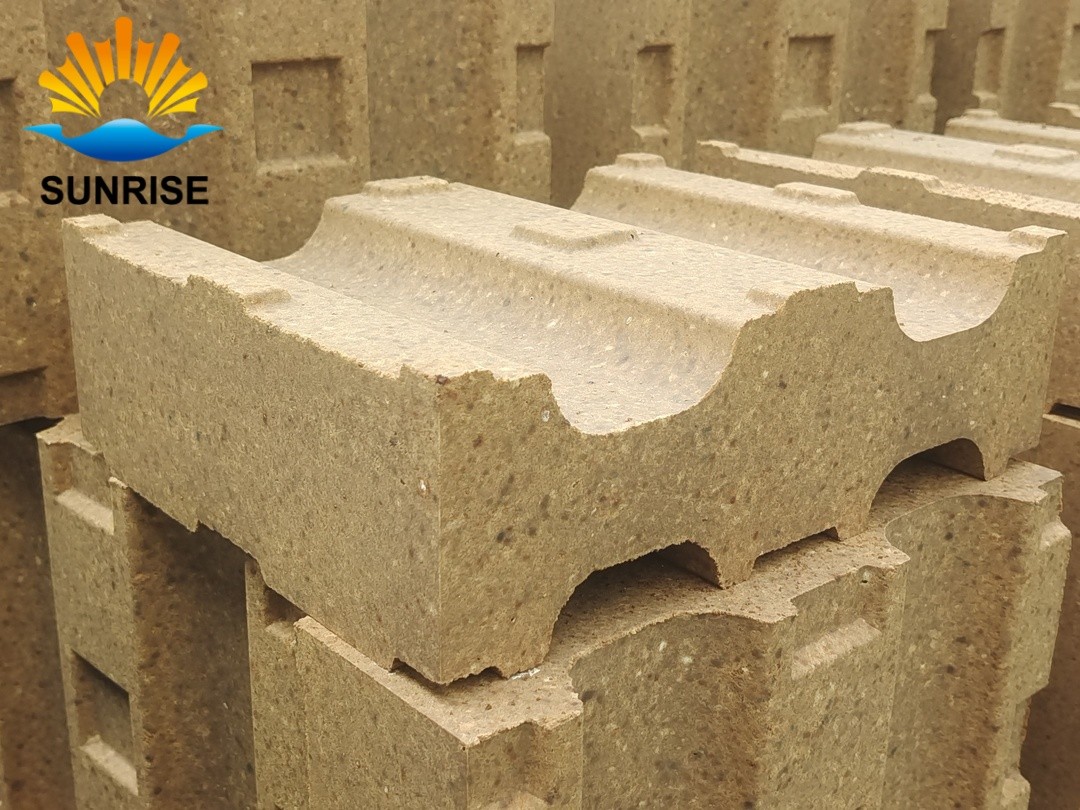
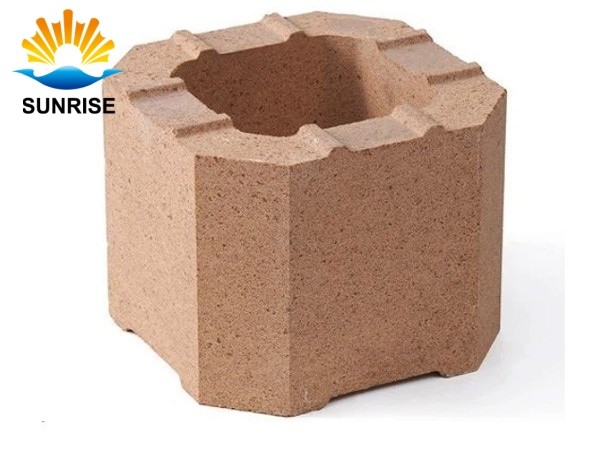
Synthetic Magnesia Olivine Brick
MgO: 50-60%
SiO2: 20-30%
Bulk Density:2.65-2.7g/cm3
Cold Crushing Strength: 35MPa
0.2MPa Refractoriness Under Load T0.6: 1620-1650℃
PRODUCT DESCRIPTION
Forsterite Bricks
Introduction
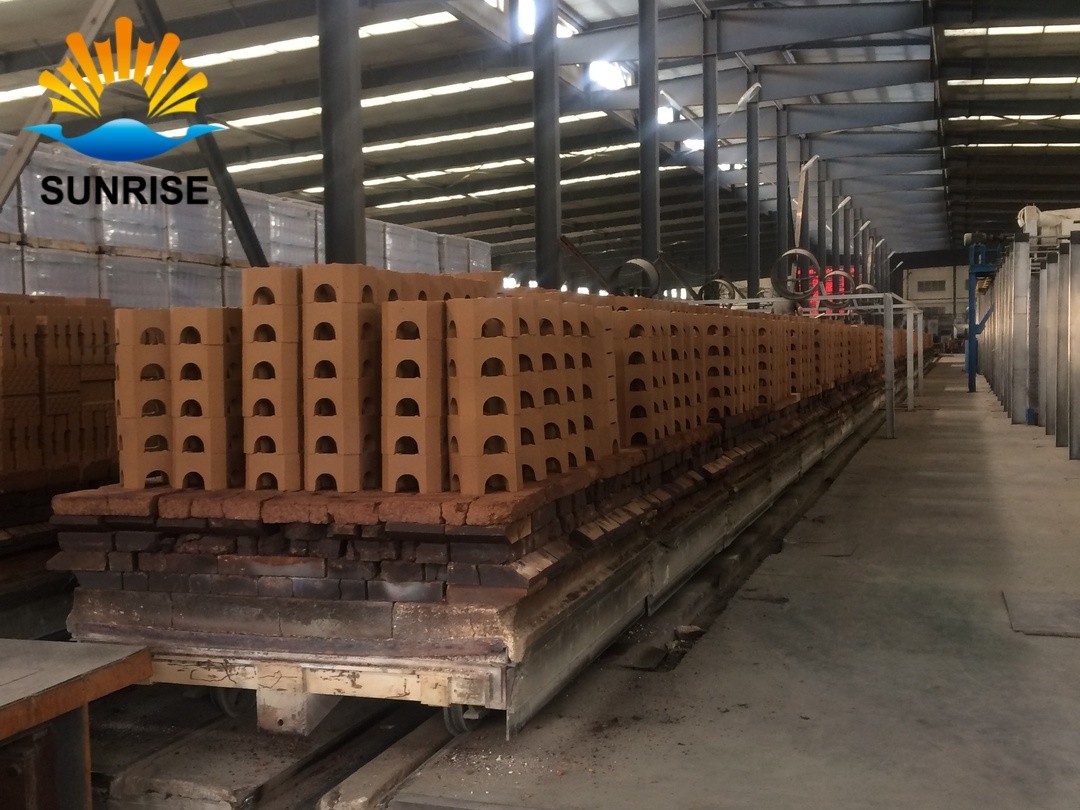
Forsterite bricks are basic refractory materials made primarily from natural dunite or olivine rocks, enriched with high-grade sintered magnesia to balance the chemical composition. Fired at high temperatures between 1400°C and 1500°C under oxidizing atmospheres, the primary mineral phase is forsterite, with minor amounts of periclase. These bricks are specifically engineered to provide a stable, economically viable basic lining for environments with moderate thermal and chemical loads.
Advantages
l Excellent Stability Against Non-Ferrous Slags: Forsterite is chemically compatible with iron oxides and silica-rich slags, making these bricks highly resistant to the acidic or neutral slags commonly found in non-ferrous metallurgy.
l High Refractoriness Under Load: They exhibit a high refractoriness under load (RUL), often initiating deformation only above 1550°C to 1600°C, which ensures excellent structural volume stability.
l Immunity to Molten Iron Oxidation: Unlike magnesia-carbon bricks, forsterite bricks do not react destructively when exposed to air or highly oxidized iron oxides, preventing structural disintegration.
l Low Thermal Conductivity: They offer superior thermal insulation properties compared to pure magnesia or magnesia-chrome bricks, which reduces furnace shell temperatures and saves energy.
Main Applications
1. Non-Ferrous Metallurgy (Core Application)
· Copper and Lead Smelting Furnaces: Widely used to line the hearths, roofs, and lower sidewalls of copper flash furnaces, reverberatory furnaces, and lead converters due to their exceptional resistance to iron-silicate slags.
2. Iron and Steel Industry
· Open-Hearth Furnaces & Ladles: Used in the safety linings, bottoms, and lower walls of older steelmaking furnaces and standard metal transfer ladles.
· Tundish: Utilized as backing linings or safety layers in continuous casting tundishes where direct contact with molten steel is limited but high temperature stability is required.
3. Glass Industry
· Regenerator Checker-Work (Middle and Lower Layers): Installed in the cooler, lower-middle zones of glass furnace regenerator checkers (around 800°C to 1100°C). They effectively resist gas-borne dust and avoid chemical reactions with acidic exhaust vapors.
Detailed Storage Guidelines
1. Storage Location
· Dry & Ventilated Indoor Storage: The bricks must be stored in a dry, well-ventilated warehouse.
· Climate Control: Maintain a stable temperature and low humidity in the warehouse to prevent condensation caused by temperature drops.
2. Moisture Protection
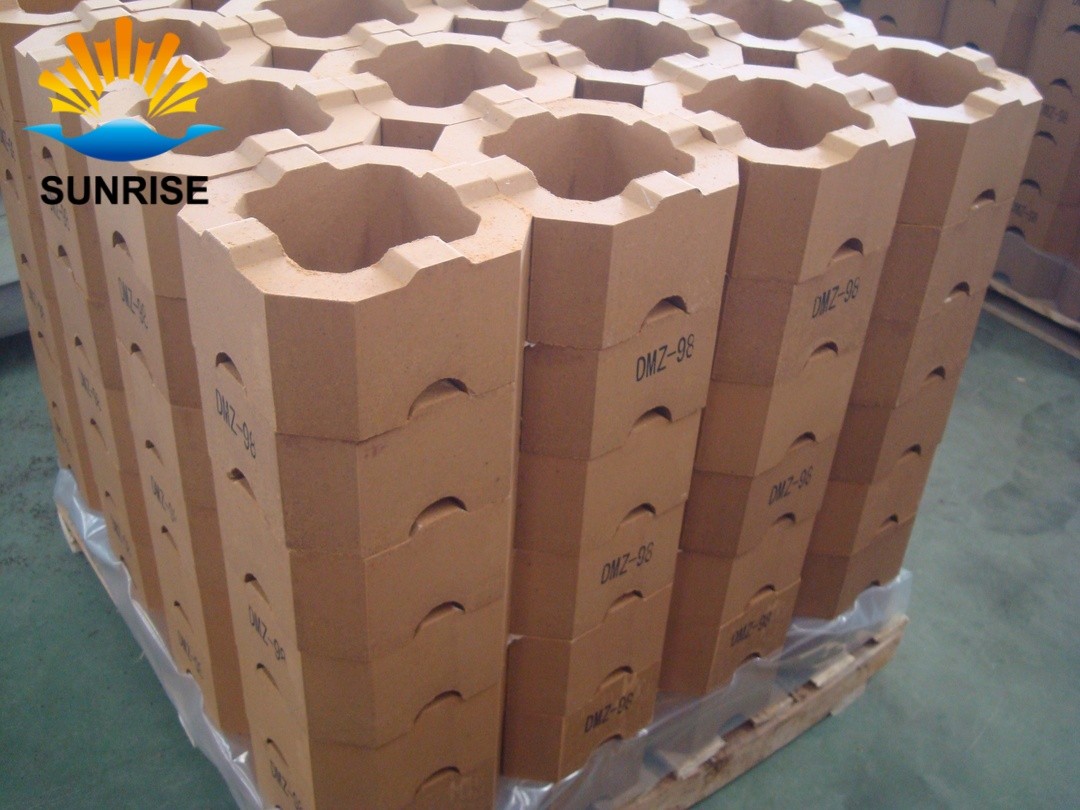
· Elevated Storage: Keep the brick pallets on racks or raised platforms. Ensure they are at least 15-20 cm off the ground and 50cm off the wall to avoid rising dampness or flooring moisture.
· Ventilation and Moisture Dissipation: After removing the magnesia bricks from the container, place them in a well-ventilated area for a few days to dissipate any residual moisture absorbed during maritime transit
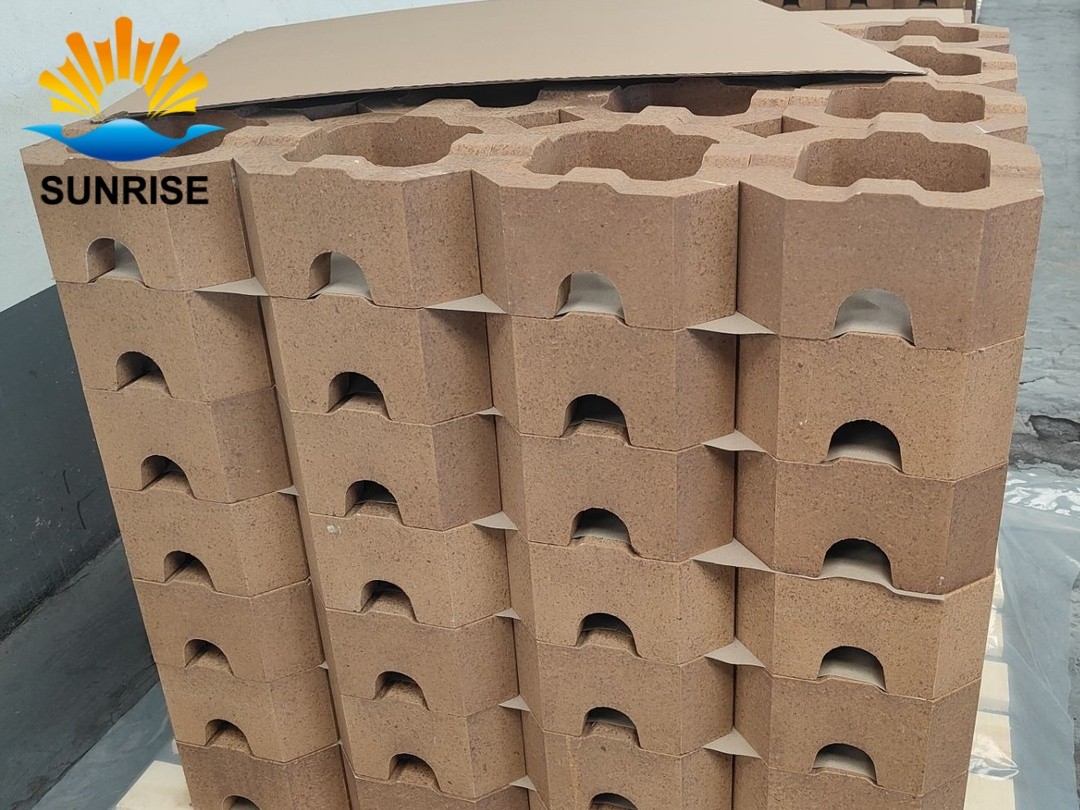
· Original Packaging Sealed: Keep the original seaworthy packaging (plastic shrink wrap and strapping) intact until the moment of installation. Do not open the wrap early.
3. Handling & Stacking
· First-In, First-Out (FIFO): Implement a FIFO inventory system to minimize the total storage time of the bricks.
TECHNIQUE DATA
| Item | TY-MO-50 | TY-MO-60 | |
| Chemical Composition % | MgO | 50 | 60 |
| SiO2 | 30 | 20 | |
| Apparent Porosity% | 20 | 20 | |
| Bulk Density g/cm3 | 2.65 | 2.7 | |
| Cold Crushing Strength MPa | 35 | 35 | |
| 0.2MPa Refractoriness Under Load T0.6 | 1620 | 1650 | |
| Thermal shock resistance (950℃ air cooling ,times) | 10 | 10 | |
Online Message
* Note: Please be sure to fill in the information accurately and keep the communication open. We will contact you as soon as possible